

How to Choose Secure, Long-Lasting Doors for Modern Homes
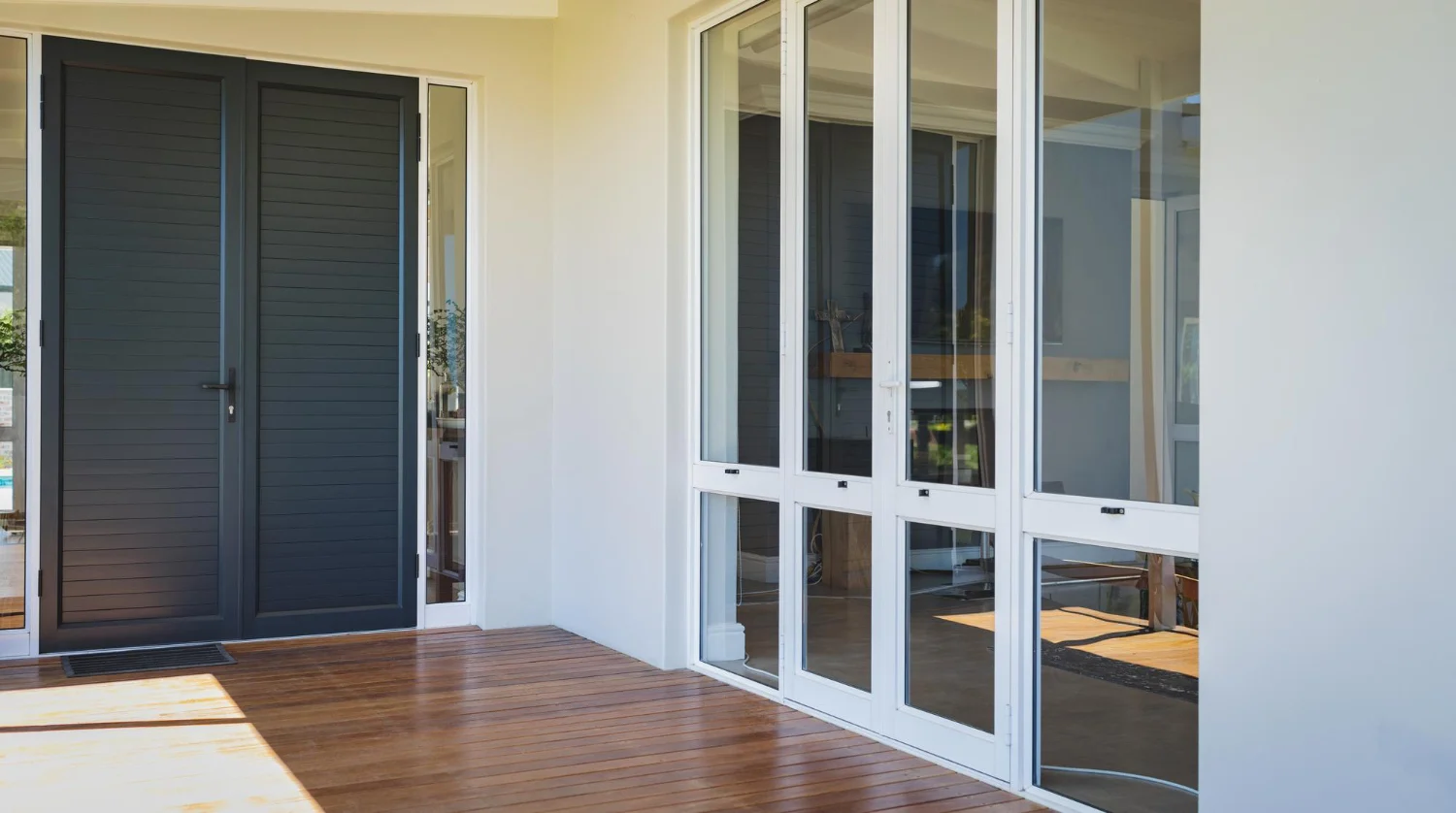
Why is door security important?
A door is the first and most critical security barrier of any home—it controls who enters and exits every day. A secure door is important because it slows down forced entry and increases the risk for anyone trying to break in. When a door resists impact and doesn’t give way easily, intruders are more likely to abandon the attempt, knowing it takes too long and draws attention. Even if an attempt is made, the noise created often alerts occupants or neighbours, reducing the chances of a successful break-in.
Yet many homeowners still overlook door strength and rely on weak materials or poor installation choices. Choosing a well-designed, properly reinforced door significantly improves safety, privacy, and peace of mind.
Why Door Security Is Often Overlooked?
When people think about home security, they usually focus on cameras, alarms, or grills. Doors often come much later in the discussion. Ironically, most break-ins don’t happen because a burglar breaks through a wall or window. It happens because the door system fails.
In many real-life cases shared online, including discussions by homeowners themselves, the issue wasn’t the door material alone. The problem was often due to weak frames, poor locking, or careless installation. These small oversights quietly turn a “strong-looking” door into a weak point.
Door security is less about how the door looks and more about how the entire system works together.
Why Doors Fail During Break-Ins
When a door fails, it rarely fails because of a single weak link. More often, breakdowns become inevitable through a chain of small weaknesses that align under pressure: a fragile panel, a compromised frame, a subpar lock, or a careless installation.
Weak panels are rarely the only issue: More often, the frame gives way before the panel does. A strong shutter attached to a weak frame won’t hold when pressure is applied.
Poor locking systems make forced entry easy: Single-point locks or low-grade hardware can be disengaged quickly. Even solid doors become vulnerable if the locking points are limited or poorly aligned.
Bad installation is the most common failure: This is the part nobody sees once the house is finished. Incorrect anchoring, missing reinforcements, or uneven fixing can undo the benefits of even premium doors.
This is why both uPVC and aluminium can fail if these basics are ignored. Material alone doesn’t protect a home. The system does.
Understanding Door Materials: uPVC vs Aluminium
There’s a lot of debate around door materials, but the truth is simple: both uPVC and aluminium perform very well when used in the right context. The difference lies in how and where they’re applied.
Where uPVC performs best
uPVC doors are known for their excellent insulation. They handle heat, rain, and humidity effectively, making them well suited for most residential spaces. uPVC systems also help reduce outside noise and require very little maintenance over time, which is why many homeowners prefer them for everyday living areas.
Because of these properties, uPVC is often recommended for wet and humid climates, something we’ve explained in our guide Why uPVC windows are ideal for the rainy season.
Where aluminium excels
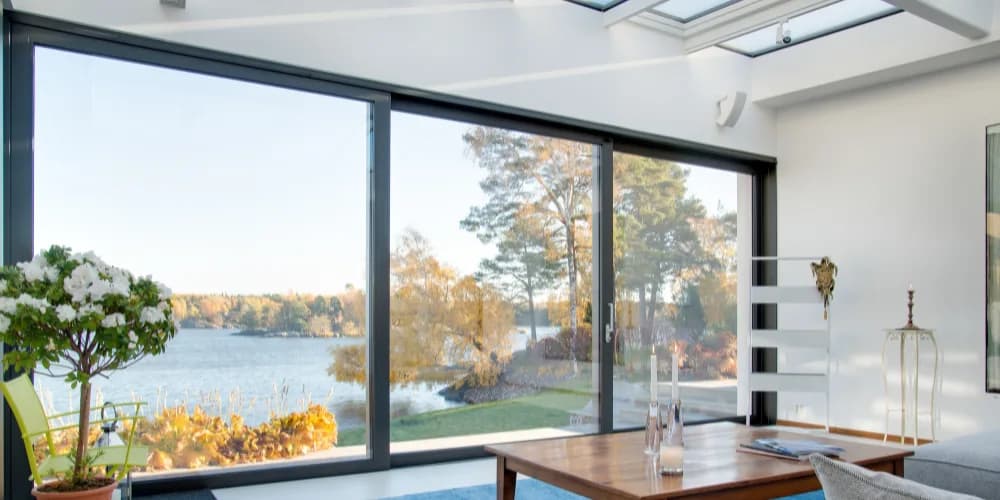
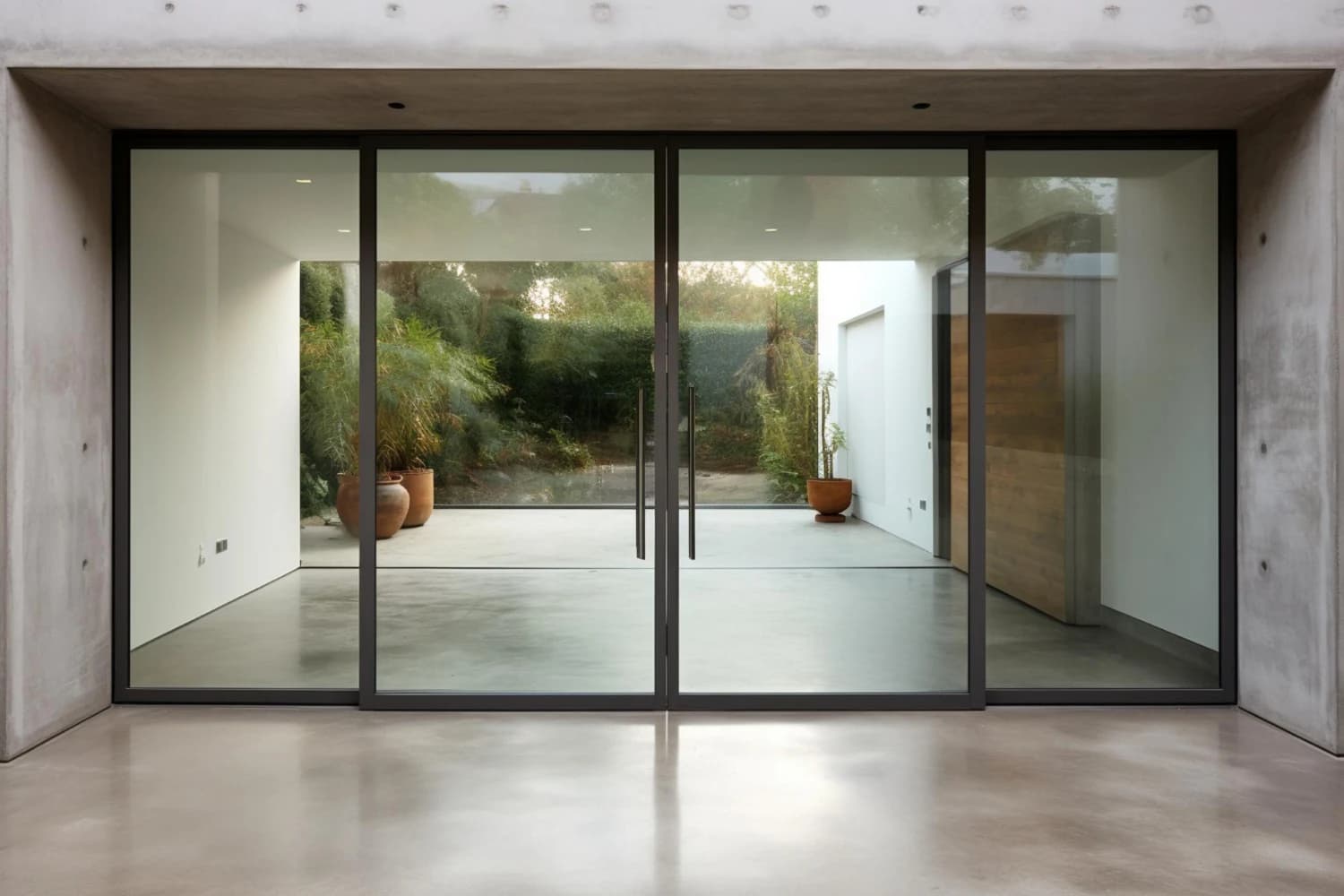
Aluminium systems shine in strength and scale. They are ideal for large openings, tall doors, and wide sliding systems where structural rigidity matters more than insulation. Because aluminium frames can be made very slim without compromising strength, they allow for larger glass panels for maximising natural light and creating bright, open interiors. This makes aluminium a strong choice for modern designs that prioritise expansive views and a clean, contemporary look.
The key truth
Neither material is automatically secure or insecure. Performance depends on profile quality, reinforcements, hardware, and installation—not just whether it’s uPVC or aluminium.
If you’d like a deeper, side-by-side breakdown of both materials, you can read our detailed comparison on aluminium vs uPVC doors for modern homes
What Actually Makes a Door Secure?
A secure door is not a single product. It’s a combination of carefully engineered parts.
1. Profile quality: The profile forms the backbone of the door. Poorly designed profiles bend, warp, or crack over time.
2. Internal reinforcements: Steel or structural reinforcements inside profiles help doors resist force and maintain alignment.
3. Locking systems: Multi-point locking spreads force across the entire frame instead of concentrating it at one spot.
4. Glass type: Toughened or laminated glass significantly improves safety in glazed doors.
5. Installation precision: Even the best components fail if they are not fixed correctly. Alignment, anchoring depth, and frame reinforcement all matter.
When these elements work together, security becomes natural—not forced.
How Profile Quality Changes Everything?
This is where engineering quietly makes the real difference. Beyond appearance, long-term performance depends on the quality of the profiles used inside a door or window system. As an aluminium and uPVC doors and windows manufacturer, we focus on profile engineering because it directly affects structural strength, insulation, durability, and everyday performance—not just how the product looks at installation.
uPVC Systems
High-quality uPVC systems rely on well-engineered profiles designed to perform reliably in Indian weather conditions. These profiles resist heat expansion, moisture exposure, and long-term wear, making them suitable for demanding climates. When combined with proper internal reinforcements, they deliver strong mechanical performance along with excellent thermal and acoustic comfort.
At Bebeto, we use premium Prominance uPVC profile systems engineered for thermal stability, acoustic insulation, and long-term structural strength—factors that directly affect door security and durability. This level of engineering is why we confidently offer a 20-year warranty, assuring homeowners of reliable performance that lasts well beyond installation.
Aluminium Systems
Just as profile quality defines the performance of uPVC systems, the same principle applies to aluminium. Premium aluminium system doors focus on structural strength without unnecessary bulk. Slim interlocks—sometimes as narrow as 19mm—allow clean, modern visuals while still supporting tall and wide openings. These systems are engineered to handle structural load, wind pressure, and everyday use over decades, not just at the time of installation. The availability of extended warranties of up to 30 years reflects this focus on long-term durability rather than surface appearance. The takeaway is simple: in aluminium systems, profile engineering matters far more than how the frame looks.
Installation: The Silent Deal-Breaker
Many homeowners discover security issues only after a problem occurs. In most cases, the door itself wasn’t defective—the installation was.
Incorrect anchoring, missing frame reinforcements, or uneven alignment can cause doors to pop open under pressure. Even premium systems lose their strength if installed like basic fittings. Proper installation ensures the door behaves as one solid unit, not as separate parts stitched together. This is often the real answer to concerns raised by homeowners online.
How to Choose the Right Door for Your Home
Here’s a simple checklist homeowners can actually use:
1. Check if the frame is reinforced, not just the shutter
2. Ask about multi-point locking systems
3. Understand the profile brand and its warranty
4. Confirm the type of glass used
5. Ensure installation includes proper anchoring and sealing
uPVC works best in spaces where insulation and everyday comfort matter most, such as bedrooms, kitchens, and other regularly used rooms. Aluminium is better suited for living areas, balconies, and large openings where structural strength, wider spans, and openness are priorities. In practice, many modern homes benefit from a hybrid approach—using uPVC and aluminium together, each in the areas where they perform best.
Security Is a System, Not a Single Product
A secure door is never just about material. It’s the result of good profiles, reliable hardware, quality glass, and precise installation working together.
When homeowners focus only on price or appearance, they often pay more later for repairs or replacements. Thinking long-term, about safety, comfort, and durability, always delivers better value.


6a0d4e3243500.jpg&w=1920&q=75)
6a3cd2957b727.jpg&w=1920&q=75)
6a69a6652f6bb.jpg&w=1920&q=75)
