

Sliding Door vs Bifold Door: Which is The Right Door System For Balconies & Patios
Sliding Door vs Bifold Door: Which is Better?
If you’re picking a door for a balcony, patio, or any large opening, the question isn’t just which looks cooler. It’s which one actually fits your space, lifestyle, and budget. Homeowners often weigh the pros and cons of sliding patio doors vs bifold patio doors specifically for these transitional spaces.
Two of the strongest options today are sliding doors and bifold doors. Both give you wide openings and a modern look, but they behave differently in real homes. Let’s break down what matters, so you can choose with confidence.
Sliding Door Vs Bifold Door System
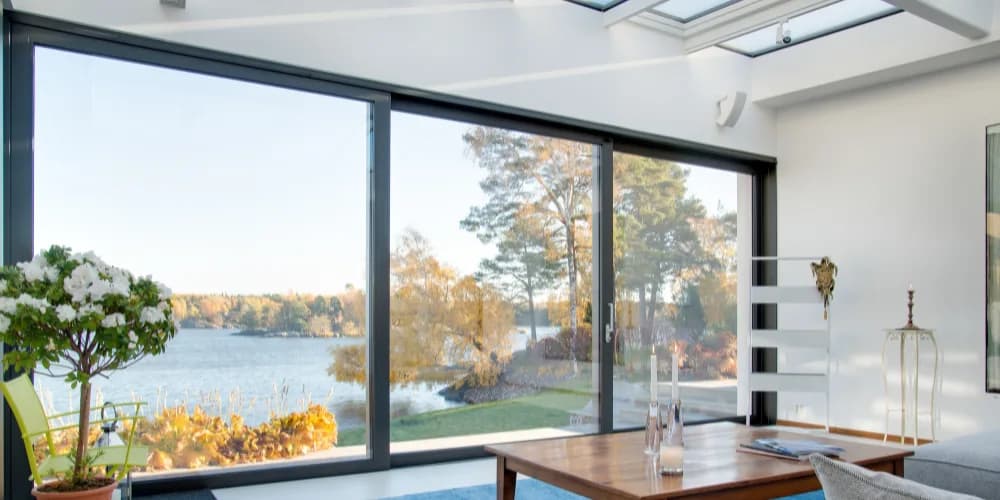
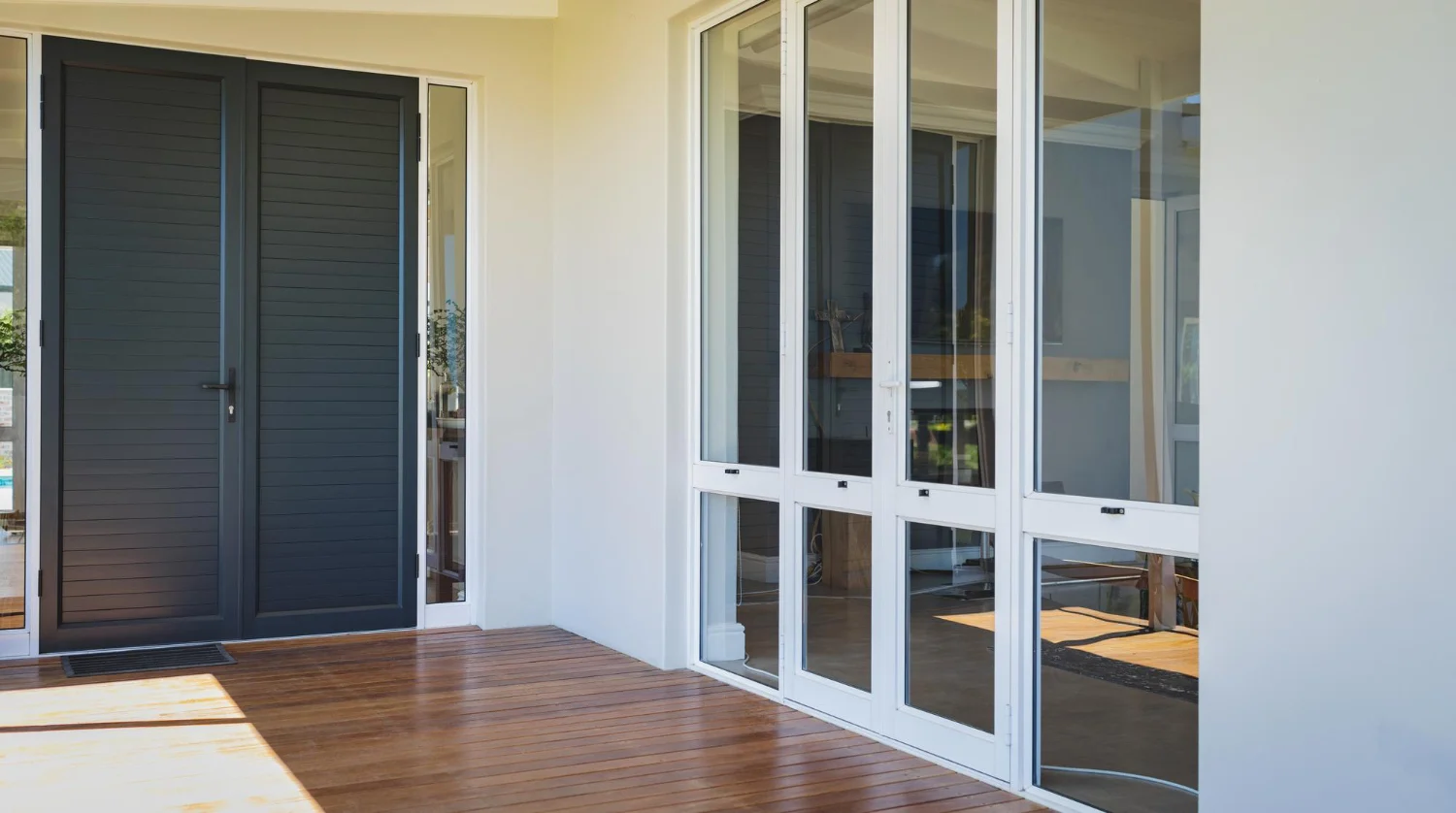
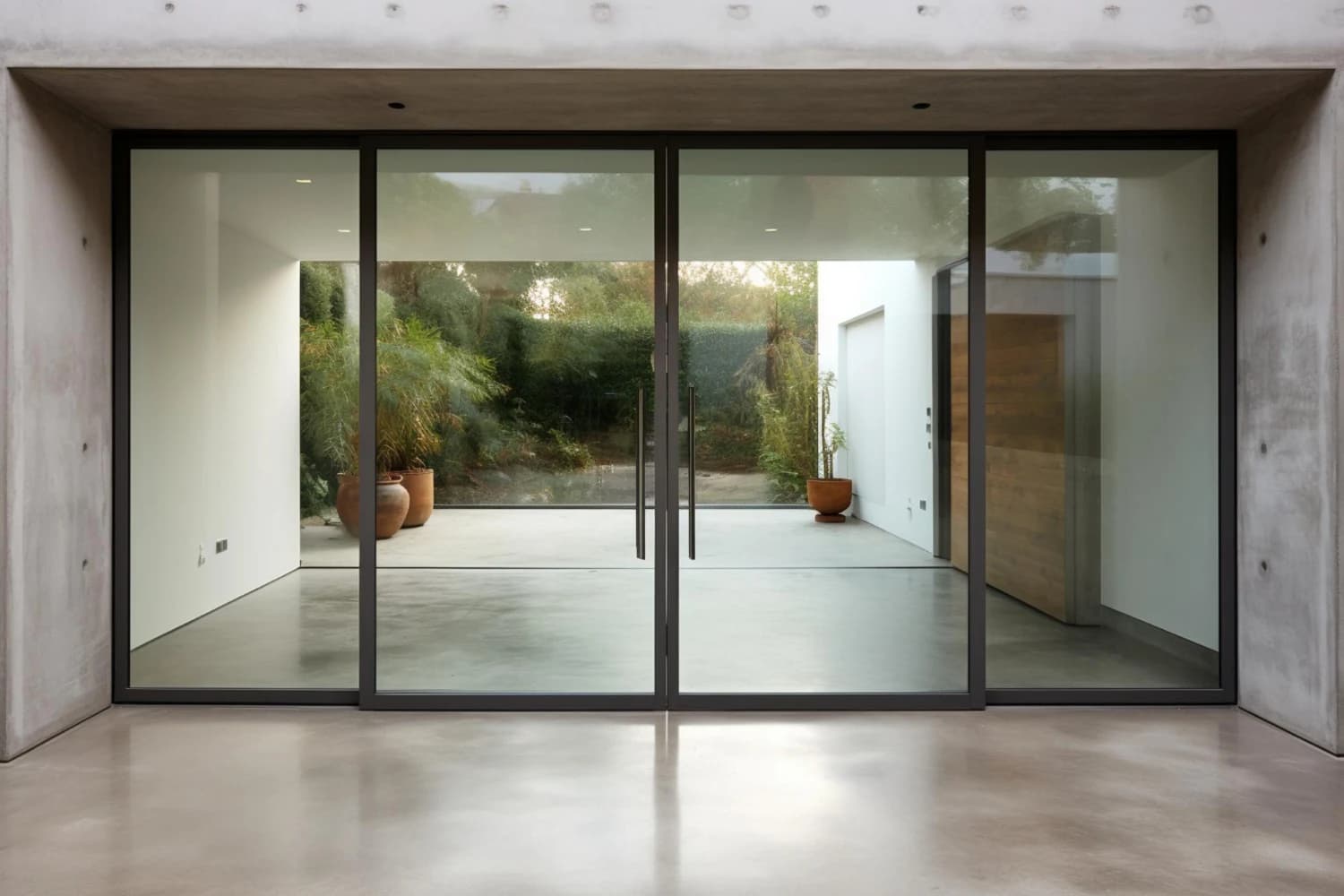
Sliding doors, which operate by one or more panels gliding smoothly on tracks, offer easy, everyday access and a clean, linear look, though the overlapping panels, when open, reduce the clear opening width due to the frame or other panels.
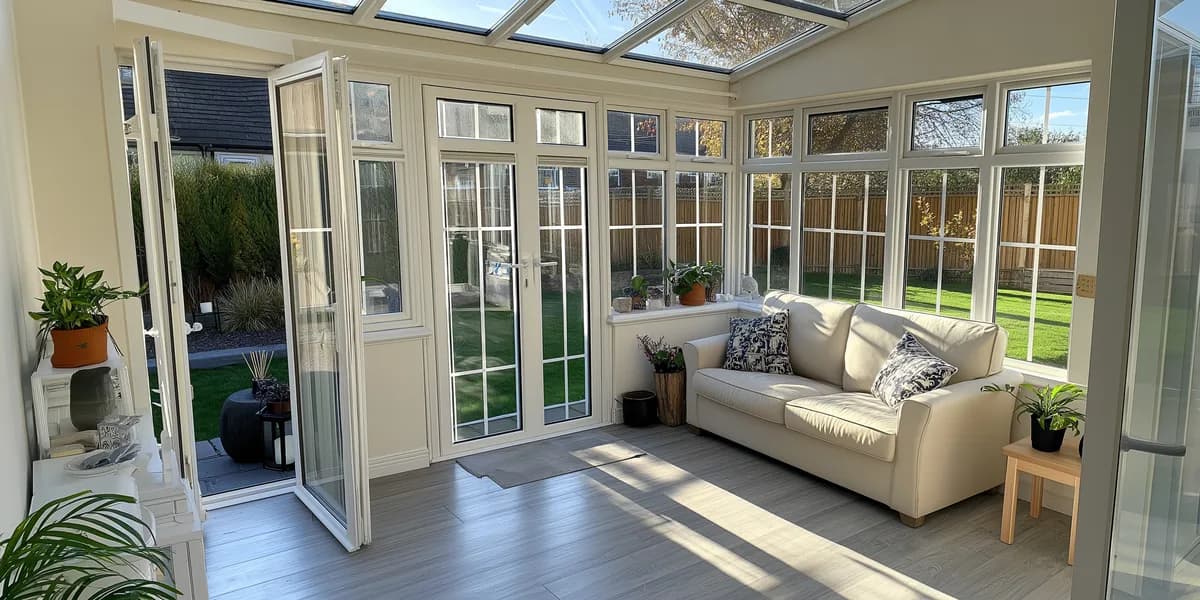
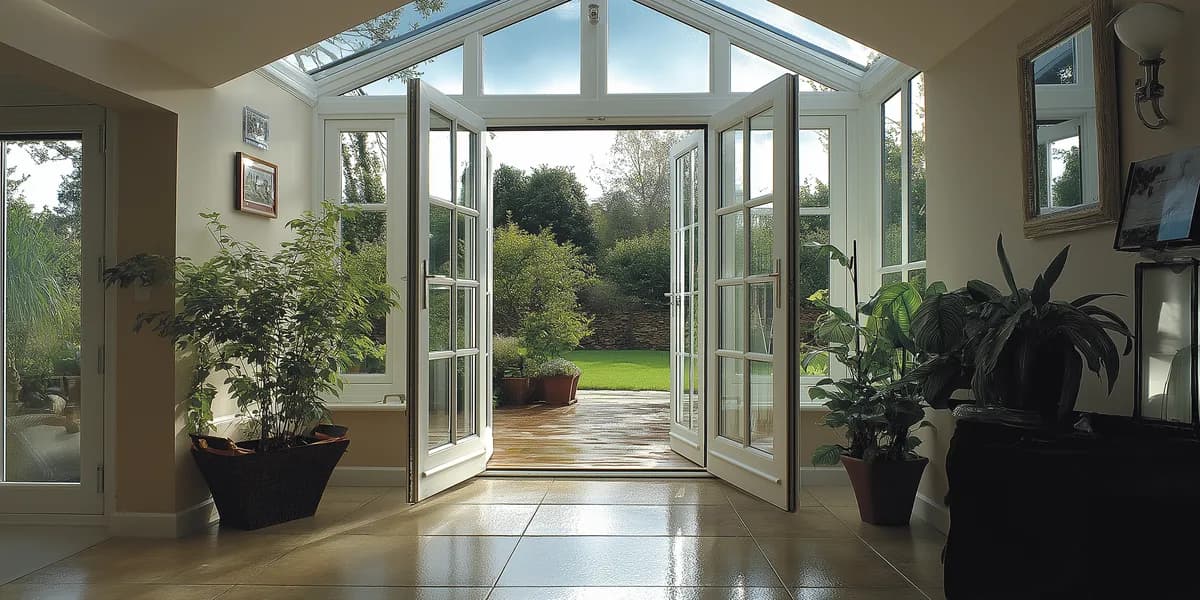
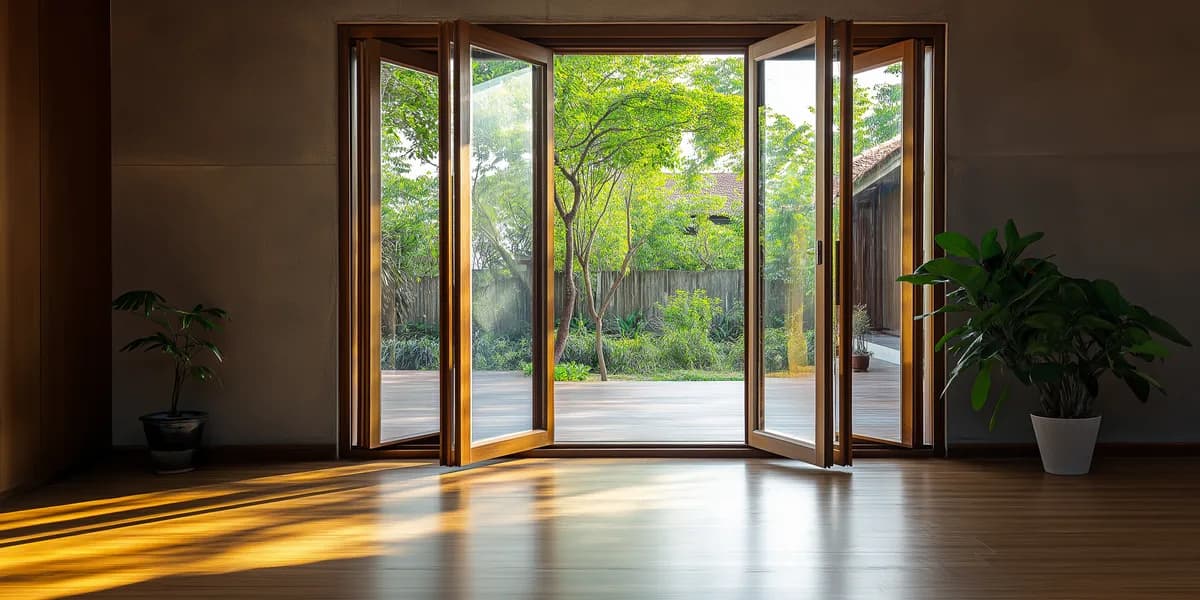
Bifold doors work by having several panels fold back and stack against each other, typically to one or both sides, which provides a much wider, almost unhindered opening when fully open, making them great for completely merging indoor and outdoor spaces.
When a Sliding Door is The Smarter Choice
1. Frequent use, minimal fuss
Sliding doors are simple. You push or pull, and they glide. For a balcony or patio door you use every day, especially in rainy or windy seasons, this smooth, dependable action matters.
2. Narrow Balconies and Tight Corners
Imagine a narrow balcony where you can only take two steps before hitting the railing, or a wall or pillar close to the door, bifold doors can be inconvenient. The panels need space to fold and swing which may not fit in tight areas. In such spaces, sliding doors are usually the easier, more practical option.
Sliding doors move only left-to-right within their own frame and never stick out. Even on a balcony that’s barely 2 feet wide, sliding doors work perfectly because the panels just overlap inside the frame without needing extra corner space.
3. Lower maintenance and easier hardware
Good sliding systems are robust, easy to keep clean, and tend to have fewer moving parts exposed to the elements than some folding setups. This can mean fewer adjustments or repairs over time.
4. A good match for modern homes that want slim, continuous glass
When you want your view to feel seamless - large glass panes, minimal interruptions - a well-designed sliding system delivers that minimalist look without overcomplicating the mechanism.
When a Bifold Door is Truly Worth It
1. Maximum opening, indoor-outdoor flow
When fully open, bifold doors can create almost a vanishing barrier. That’s ideal for entertaining, or when you want sunlight and breeze to flood through your entire living space on nice days.
2. Statement architecture, big openings
For wide patio walls, corner openings, or spaces where the door becomes a design feature, bifold doors make a louder, more impressive visual statement. They say open‑plan, open‑to‑outside, without being subtle.
3. Flexible configuration
Depending on the layout, you can stack the panels to one side, both sides, or even in the middle. That gives you more control over how much opening you want at any time—something sliding doors can’t always match.
4. Still practical if installed correctly
While they need precise installation and a bit more space around the opening, modern bifold systems—when chosen and installed right—are durable and useful even for everyday living, not just for show.
What To Check Before You Decide
1) Opening Width vs Available Wall Space
Bifold doors offer the widest possible opening, often more than 90%, but they need enough wall or floor space for the panels to fold and stack when opened. They’re best suited for very wide openings where you want a seamless indoor–outdoor connection.
Sliding doors offer a limited opening — usually 50% in a two-panel system and up to 66% in a three-panel setup. They glide neatly within their own frame and hug the wall, requiring no extra swing or stacking space. This makes them ideal for moderate openings or areas where wall or floor space is limited.
2) Climate, weather, and protection
This is where build quality becomes non-negotiable. You need a system engineered to seal tightly against monsoon rain, driving wind, and fine dust. A well-designed frame with multiple compression gaskets is what keeps your interior dry, quiet, and comfortable.This focus on real-world durability naturally leads many homeowners to a key question:
“What are the main benefits of uPVC slide and fold doors?” The answer lies in the material's inherent properties. uPVC is highly resistant to moisture, rust, and termites, making it an exceptionally durable choice for Kerala's humid and coastal climate, a primary reason uPVC windows and doors are best for the rainy season. Beyond weatherproofing, they require almost no maintenance beyond a simple wipe-down and offer excellent thermal insulation, which helps regulate indoor temperature.
Also, read our guide on how to identify a high-quality uPVC profile
3) Frame material and finish
uPVC systems are often praised for weather resistance and low maintenance and are good for regular use in humid or coastal conditions. Also, modern uPVC doors offer great design flexibility. There are various design and colour customization options available. You can choose from various finishes, including realistic wood-grain textures, which look authentic, and you don't have to spend extra on wooden doors and their maintenance.
At Bebeto, we offer premium wood-finished uPVC sliding and folding doors in different shades like oak or walnut and a range of solid colours to match your home's exterior.
Aluminium systems are strong, sleek, and great for large glass panels. Their frames can be remarkably slim, and this design works especially well for aluminum sliding doors, creating a modern, minimalist look that keeps the view open and the focus on the outdoors.
However, a common consideration with aluminium is its thermal conductivity and susceptibility to corrosion, especially in salty coastal areas, which are often cited as its main disadvantages compared to uPVC. Without proper engineering, they can transfer outdoor heat or cold indoors more readily. To overcome these potential drawbacks, you must choose the right product:
Always opt for powder-coated finishes. This isn't just about colour; a high-quality powder coat is a robust shield against corrosion, essential for longevity in coastal areas.
Insist on a 'thermal break'. Modern high-performance aluminum doors feature a thermal break—a non-conductive polymer bar inserted between the inner and outer aluminum shells. This critical technology dramatically improves insulation by breaking the path of heat transfer, making the door energy-efficient and comfortable. For a deeper comparison, read our detailed guide: Aluminum vs uPVC Doors: Which is a Better Choice for Homes in Kerala?
4) Budget and long-term value
A common question is, “Are sliding doors cheaper than bifolds?” Generally, yes, sliding doors often cost less for similar opening sizes than bifold doors. But a bifold can deliver a dramatic opening that might justify the spend for lifestyle or design reasons. Consider the total value: how much you’ll use the opening, how much sunlight or fresh air you want, and how the door integrates with the rest of your design.
Sliding Doors vs. Bifold Doors: Which should you pick?
Pick a sliding door if:
You want daily convenience and sleek style.
Space around the opening is tight, or you want something simple to operate.
You prefer a modern look without needing full‑width, fully open walls.
Pick a bifold door if:
You have the space, and you want a dramatic, big-open feel.
Hosting, entertainment, or a strong indoor-outdoor lifestyle is a priority.
You want a door that becomes a defining feature of your home’s design.
You don’t have to choose only one material for every opening. Many homes do best with a mix:
Sliding doors for bedrooms, smaller balconies, or regular daily openings.
Bifold doors for main living areas, large patios, or where you want maximum connection with the outdoors.
That way, you get the best of both - efficient daily use plus occasional wow factor when you open up the big spaces.
Ready to decide?
The right choice between sliding doors and bifold doors depends on your space, lifestyle, and design goals. Look at the exact dimensions, sun exposure, wind direction, and how you actually live in the space—then choose the system that fits your day-to-day life, not just the brochure picture.
If you need help choosing the right system—sliding or bifold, uPVC or aluminium—talk to a professional who can show you live samples, explain finishes, and check the structural fit. That’s the only way to ensure the door you choose looks great, works smoothly, and lasts for years. If you want expert guidance backed by real experience, Bebeto Solutions, a trusted uPVC and aluminum doors manufacturer in Kerala, is always ready to help you make the perfect choice.


6a0d4e3243500.jpg&w=1920&q=75)
6a3cd2957b727.jpg&w=1920&q=75)
6a69a6652f6bb.jpg&w=1920&q=75)
