
System Aluminium Windows for Wind Load, Water Tightness & Air Leakage
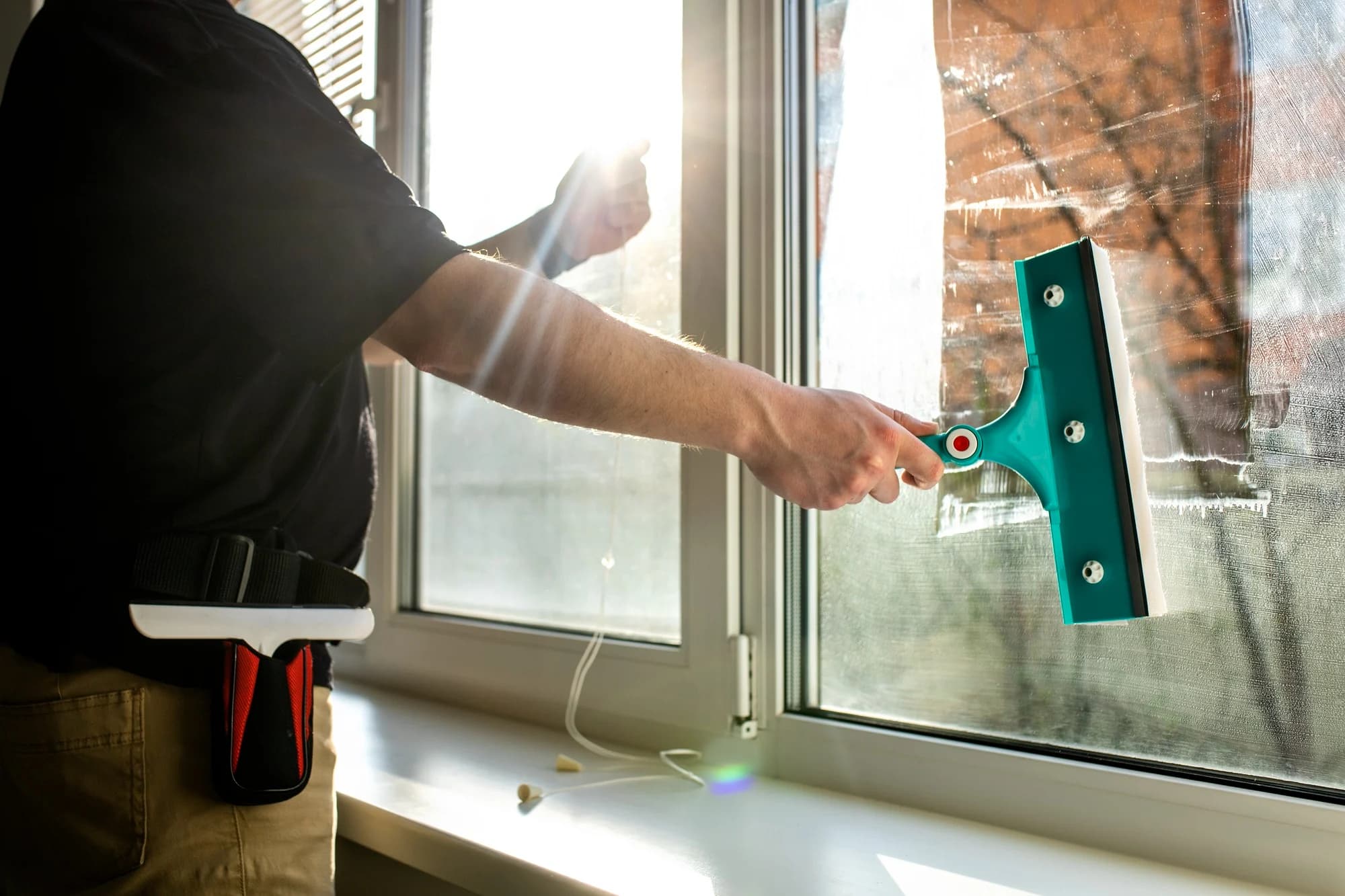
The Issues Homeowners Face During Monsoon
Most window failures are predictable—and preventable. Every monsoon, Kerala homeowners face heavy rain, high humidity, and strong coastal winds that expose the weaknesses in ordinary windows. Water seeps through edges, pools on sills, stains walls, and wind whistles through unseen gaps.
What separates a reliable window from a failing one comes down to three measurable characteristics: wind load resistance, water tightness, and air leakage. In Kerala’s climate, these determine whether a window protects a home for decades or becomes a constant source of leaks.
This guide explains what these metrics mean, why traditional windows often fail, and how system aluminium windows are engineered to solve these problems.
Also read: Why Are Aluminium Windows Good for Homes in Kerala
The Three Metrics That Determine Window Performance
Wind Load: The Force That Breaks Weak Windows
Wind load is the pressure wind exerts on a window, measured in Pascals (Pa). It rises with building height and coastal exposure, so a window suitable for a ground-floor inland home may fail on an upper floor of a coastal apartment.
In a coastal project near Alappuzha, traditional aluminium windows visibly flexed during a cyclonic storm. Within hours, the corner joints opened and water entered because the frames were not rated for the wind load at that height and exposure.
System windows address this with engineered profiles, reinforced corners, and tested structural performance. Their wind-pressure ratings make it clear exactly what conditions they can withstand.
Water Tightness: Where Most Windows Fail
Water tightness is a window’s ability to resist penetration under wind-driven rain, measured in Pascals. It is often the first point of failure during heavy monsoon conditions.
During the 2018 monsoon, a newly built villa had water entering through three of five large windows. The problem was not damaged seals, but missing drainage—water collected inside the frame and eventually found its way indoors.
Blocking water alone is not enough. A well-designed window must also manage the water that penetrates the outer seal through engineered drainage channels and protected weep holes.
System windows use multi-layer gaskets as the primary barrier, integrated drainage as backup, and protected weep holes that prevent wind-driven rain from entering through the drainage path.
Air Leakage: The Invisible Problem Draining Your Wallet
Air leakage is uncontrolled airflow through gaps around a window, measured in m³/h/m. It allows hot, humid air in and cooled, conditioned air out—even when a window appears sealed.
A client in Thrissur reported high electricity bills despite using air conditioning. A smoke-pencil test revealed significant leakage around every window frame, meaning the system was constantly losing cooled air.
Improved sealing around windows and doors can reduce household energy use by 10–25%. In Kerala’s humid climate, this translates into meaningful monthly savings.
System windows reduce leakage through precision manufacturing tolerances, multi-point locking for even compression, and durable EPDM gaskets that retain their sealing performance over time.
Why Traditional Windows Fail Here
Most window failures we've investigated share the same root cause—they were fabricated on-site from stock profiles without any performance testing. The problems that follow are predictable. Water leaks develop because there's no drainage system and only single-layer seals, leading to wall damage, mould growth, and repeated repainting. Frames bend under wind pressure when undersized profiles are used for the actual exposure conditions, causing seal failure and operation problems. Air leaks occur due to poor manufacturing tolerances and cheap gaskets, driving up energy bills and creating uncomfortable rooms. Hardware fails when generic locks are paired with misaligned frames, creating security risks and replacement costs. These issues are also common when evaluating Common Aluminium Door Issues and Fixes, as poor fabrication and inadequate installation can compromise durability, security, and performance.
In a recent consultation, we examined a five-year-old traditional window where the fabricator had used silicone sealant at the corners instead of proper mechanical joining. The sealant had degraded completely, leaving visible gaps. This isn't a maintenance issue—it's a design failure.
What Makes System Windows Different
System aluminium windows are designed as complete units, where profiles, hardware, glazing, sealing and drainage work together to deliver reliable performance. Unlike conventional fabricated windows, engineered system aluminium windows are manufactured to defined specifications, helping improve consistency, durability and overall functionality.
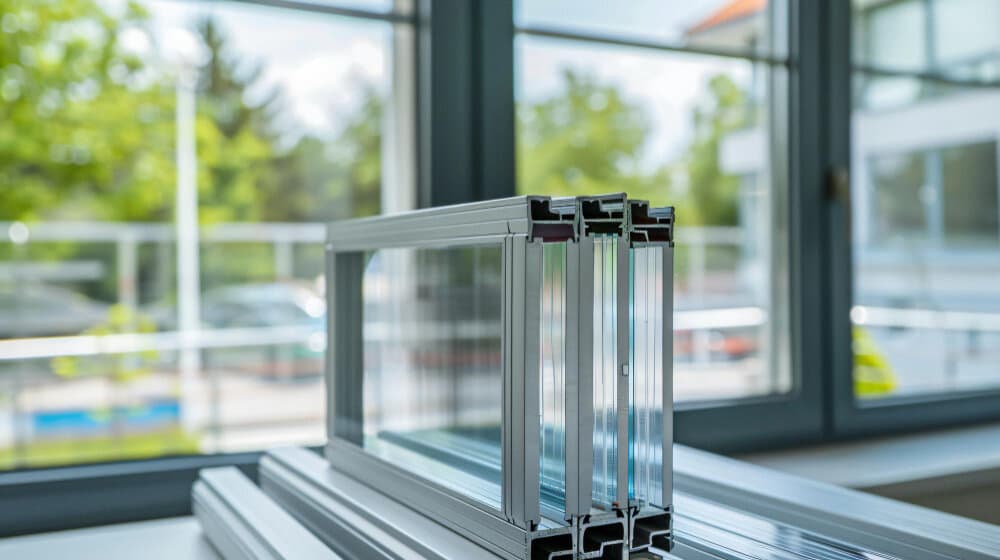
Precision Profiles: High-quality aluminium profiles are designed to provide structural strength and support different glazing configurations. Features such as integrated gasket grooves and carefully designed profile sections help improve sealing and stability. Thermal breaks may be included in systems specifically designed to reduce heat transfer.
Integrated Sealing: Multiple sealing layers, using suitable materials such as EPDM or silicone, help limit air and water infiltration. Properly designed compression seals also help maintain contact between components under changing weather conditions.
Engineered Drainage: System windows may incorporate internal drainage channels, weep holes and baffles to collect and direct water outside the frame. These features help manage rainwater and reduce the risk of water entering the building when correctly designed and installed.
Tested Performance: Standards such as EN 12207 for air permeability, EN 12208 for watertightness and EN 12210 for resistance to wind load provide methods for evaluating window performance. However, these standards should only be claimed as verified results when the specific window system has been tested and the relevant documentation is available.
As one of the leading system aluminium windows and doors manufacturers in Kerala, Bebeto Solutions offers the Bebeto Alumina range, featuring 6063-grade aluminium profiles, SS304 hardware, and glazing options including single, laminated, and double-glazed units, depending on system specifications. The range is available in powder-coated, anodized, PVDF, and wood-effect finishes to complement different architectural styles.
Also check: Powder Coating vs PVDF: Which Aluminium Finish Is Better for Kerala
By considering the aluminium profiles, glazing, hardware, and finishes as part of a complete system, Bebeto helps customers choose window and door solutions tailored to their project's design and performance requirements.
System Aluminium Windows vs Conventional Windows
The difference between traditional and system windows becomes clear when you look at how they perform across key metrics. Traditional windows are assembled on-site with no standardised testing, meaning their wind load resistance is untested and variable—performance depends entirely on the fabricator's skill.
System windows, by contrast, are certified to specific wind load ratings, giving you verifiable data on what they can withstand. Water tightness tells a similar story: traditional windows often begin leaking within three to five years, while system windows are tested and rated, with lifespans exceeding twenty years.
Air leakage in traditional windows is typically high and worsens over time as seals degrade, whereas system windows maintain low leakage rates over decades thanks to precision manufacturing and quality gaskets.
Drainage is usually absent in traditional fabrication, but system windows feature engineered channels and weep holes that actively manage water. Hardware in traditional windows is often a mix of generic brands that may not align properly with the frame, while system windows use hardware specified and tested as part of the complete unit. The result is a stark difference in lifespan—five to ten years for typical traditional windows versus twenty to thirty years or more for system windows with minimal maintenance. And the energy impact is significant: high air leakage in traditional windows means high electricity bills, while the tight sealing of system windows translates directly to lower energy costs month after month.
What We Tell Homeowners Before They Buy
1. Ask for Performance Ratings
Water tightness: Look for 600 Pa or higher for coastal/exposed areas.
Wind load: Should match your building height and location.
Air leakage: Class 3 or 4 per EN 12207 is best.
2. Inspect the Sealing System
Multiple gaskets at all contact points?
EPDM or silicone material?
Securely seated in grooves?
3. Verify Drainage
Visible weep holes at frame bottom?
Internal drainage channels (ask for cross-section)?
Protection against wind-driven rain?
4. Check Hardware
Multi-point locking for even compression?
Stainless steel for coastal areas?
Smooth operation without binding?
5. Confirm Testing
Tested as a complete unit?
Test certificates available?
Compliance with relevant standards?
6. Understand the Warranty
What's covered (profiles, hardware, seals, finish)?
How long? (Quality systems offer 10+ years)
Local service and support available?
Also read: 5 Practical Tips for Choosing the Right Aluminium Windows for Your Home
The Honest Cost Conversation
Let's be direct: system windows cost more upfront. We won't pretend otherwise. A homeowner comparing quotes will often see a significant difference between traditional fabrication and a certified system, and that difference can feel hard to justify in the moment.
But here's what we've seen over twenty-year lifecycles. Traditional windows may cost less initially, but that saving disappears quickly. Within the first decade, homeowners face frequent repairs—resealing, replacing hardware, addressing water damage. Energy bills run higher because air leaks steadily worsen as seals degrade. And by the ten-to-fifteen-year mark, many are facing full replacement. Water damage repairs, often hidden behind walls or under sills, become an unwelcome and expensive reality.
System windows, by contrast, require minimal maintenance beyond basic cleaning. Their tight sealing keeps energy bills low. They rarely need replacement within their twenty-to-thirty-year lifespan. And water damage? It's rare because the drainage systems and multi-layer seals do their job.
When you add it all up—the energy savings, the avoided repairs, the extended lifespan—system windows often cost less over the life of your home. That's before factoring in the things that don't show up on a balance sheet: the quiet during monsoon, the comfort of a draft-free living room, and the peace of mind that comes from knowing your windows will hold when the weather turns.