

Common Aluminium Door Issues and Fixes
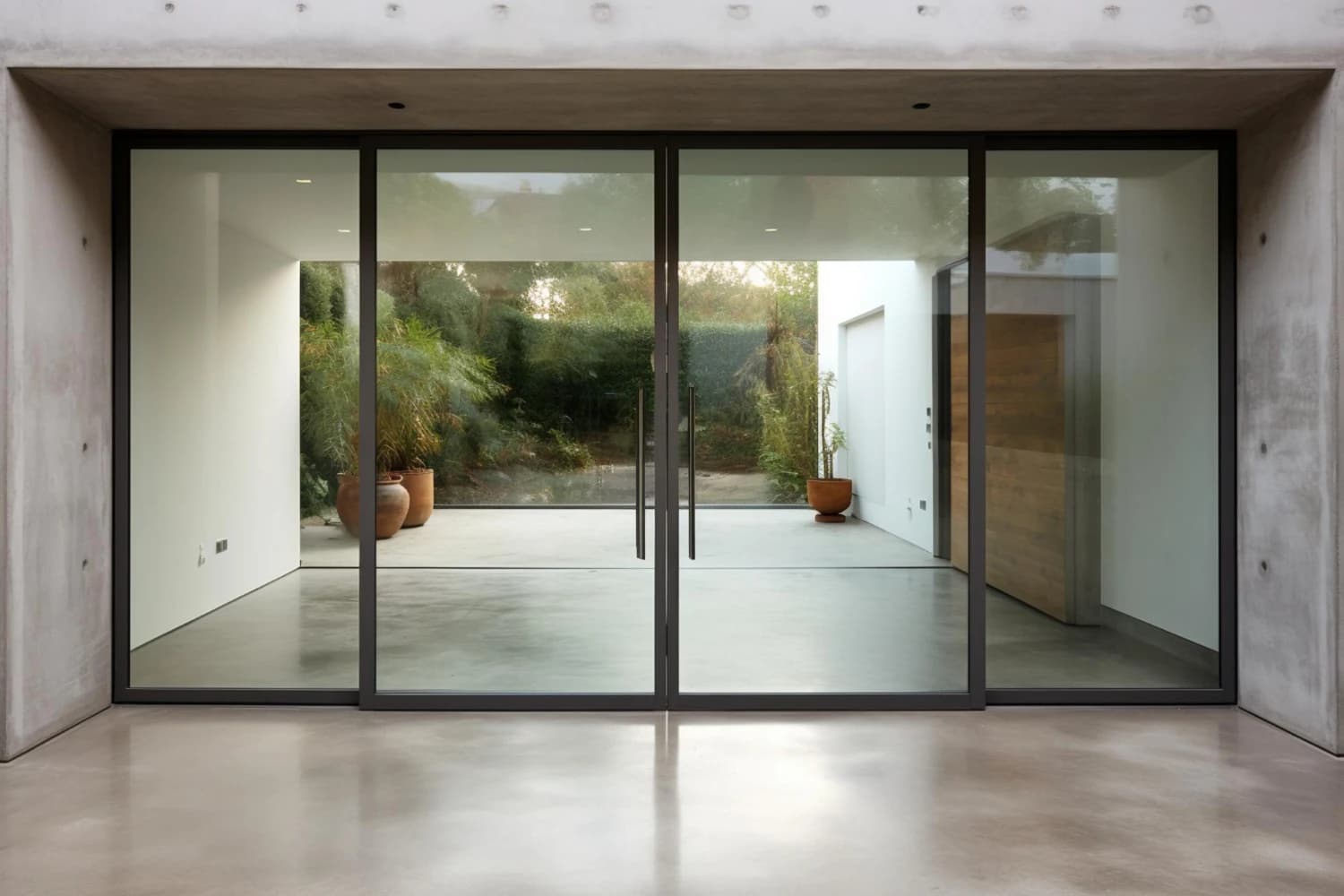
Common Aluminium Door Problems and Easy Fixes
Aluminium doors are widely chosen for some reasons, such as strength, sleek appearance, and long lifespan. When properly engineered and installed, they handle daily use, weather exposure, and large glass openings with ease. However, like any moving system in a home, doors can develop small issues over time, especially when hardware wears down or maintenance is ignored.
As a trusted aluminium door manufacturer in Kerala, we often see homeowners confused about why some doors stay smooth for years while others begin to stick, sag, or misalign. The difference usually lies not in aluminium itself, but in how the door system is designed and built. This guide explains the most common aluminium door problems, what causes them, and simple fixes you can try safely in clear and practical language.
Not All Aluminium Doors Are the Same
Many aluminium door problems come from basic fabricated frames where profiles, rollers, and hardware are assembled individually rather than engineered as a complete system. Modern system aluminium doors, built using structural-grade aluminium with durable powder-coated finishes, are designed differently. With precision profiles, reinforced rollers, and integrated sealing systems, they stay aligned longer and perform better in humid and coastal conditions like Kochi and other parts of Kerala. While aluminium itself is durable, long-term performance depends on proper engineering, installation, and regular maintenance.
Common Aluminium Door Issues and Easy Fixes
Common aluminium door issues like sagging, sticking, and corrosion affect homeowners, especially in humid Kerala climates. DIY fixes often resolve them quickly with basic tools, saving on repairs. Professional help is best for structural problems.
Aluminium doors are strong and long-lasting, but issues arise due to: Poor installation, Low-quality hardware, Lack of maintenance, Non-system or locally fabricated frames. Some fixes are DIY-friendly, and some issues need professional adjustment.
At Bebeto Solutions, we've installed thousands of aluminium doors across Kerala over 15+ years. We've seen issues happen because of monsoons, salt air, and regular use, but most of them have easy repairs that can keep your doors sliding smoothly for decades. Here's our expert guide to the most common issues, straight from our service team's playbook.
1. Aluminium Sliding Door Is Hard to Open or Feels Stuck
Common symptoms: Door feels heavy, requires force to slide, jerks or stops midway.
Causes: Dirt or debris in the track (Kerala's dust is relentless), worn or misaligned rollers, frame not level from settling.
How To Fix: Vacuum tracks first, then scrub with soapy water and a stiff brush—dry fully. Locate roller adjustment screws (usually bottom edge); turn clockwise to raise 2-3mm. Test slide; if gritty, spray silicone lubricant (not WD-40).
Pro tip: Our system aluminium doors with precision rollers and self-cleaning tracks reduce this issue long-term—lubricate just twice yearly. Fixed a Kochi balcony's door in 10 minutes last week.
2. Aluminium Door Sagging or Grinding on the Bottom Frame
Common symptoms: The door scrapes the floor or track, grinding noise when opening, uneven gap at the top.
Causes: Loose hinges or rollers, heavy glass load (common in large sliders), frame distortion from poor fixing.
Our Fix: Lift the door with a 4x2 timber lever under the bottom. Adjust roller height screws (clockwise to lift); check top rollers too. Use a level on the frame—if off by >2mm, loosen corner brackets, tap square with a mallet, retighten. Avoid forcing the door (can damage glass). If the frame itself has shifted (e.g., foundation issues), call a professional.
3. Aluminium Sliding Door Lock Not Latching Properly
Common symptoms: Lock doesn’t catch, door closes but won’t lock, needs lifting to lock.
Causes: Door sagging (fix #2 first), misaligned strike plate, worn locking mechanism.
How To Fix: Clean the latch and plate. Close the door, mark the latch position on the frame. Loosen strike plate screws, shift up/down 2-3mm or file a bevel. Fill loose screw holes with matchsticks + glue, redrill.
Expert note: Multipoint locking systems like ours are more stable than single-point locks—less misalignment over time.
4. Aluminium Door Hinges Are Loose or Misaligned
Common symptoms: Door drops when opened, hinges squeak or feel loose, or uneven closing.
Causes: Loose screws, incorrect hinge load rating, frequent heavy use (kids slamming balcony doors?).
How To Fix: Tighten screws alternately with a screwdriver—alternate top/bottom. If gaps persist, shim behind hinges with thin washers. For squeaks, dab lithium grease.
Best practice: Use hinges designed for door weight and glass thickness, like our heavy-duty ones rated for 80kg+ panels.
5. Aluminium Door Not Closing Properly
Common symptoms: Door rebounds after closing, gaps along the frame, air or rain leakage.
Causes: Frame out of alignment, door closer misadjusted, damaged weather seals.
How To Fix: Adjust door closer tension screw (turn 1/4 clockwise for firmer close). Level-check frame; realign per #2. Peel out old EPDM gaskets (black rubber seals), replace with new (₹200/meter from us). This stops 90% of leaks.
6. Corrosion or White Powdery Marks on Aluminium Doors
Common symptoms: White chalky residue, bubbling paint, surface pitting.
Causes: Poor-quality coating, coastal salt exposure, damaged protective layer.
How To Fix: Scrub with 1:1 vinegar-water mix using a non-abrasive pad; rinse and dry immediately. Polish with metal cleaner, then apply clear lacquer or marine wax. For pits, fill with aluminium epoxy putty, sand smooth.
Prevention: Powder-coated system aluminium profiles, like Bebeto's alumina profiles, last significantly longer—3x corrosion resistance in salty air.
7. Aluminium Door Frame Damage or Bending
Common symptoms: Door doesn’t sit flush, visible bends or dents, and glass stress cracks.
Causes: Physical damage (cricket balls?), improper installation, Use of thin non-engineered profiles.
How To Fix: Minor bends: Heat gently with a hairdryer, tap straight with a rubber mallet over a wood block. Check the glass for cracks first. Structural damage usually requires frame replacement (₹8,000+ for sliders)—we salvage 60% with braces.
8. Condensation or Water Leakage Around Aluminium Doors
Common symptoms: Water pooling inside, Wet patches or peeling paint near the frame, fogging inside glass (DGU failure).
Causes: Blocked drainage holes (weep holes), poor sealing, and failed glazing unit.
Our Fix: Clear frame drainage channels using a thin wire tool, Remove old sealant and reapply high-grade silicone and for fogged double glazing, replace the unit (₹3,000-5,000). Monsoon must-do.
Additional Common Issues
Door Rattling in Wind: Loose handles or worn seals let gusts shake balcony doors.
Fix: Tighten handle screws; replace EPDM seals for snug fit.
Glass Vibration Noise: Loose glazing beads or thin glass buzz in Kerala winds.
Fix: Resecure beads with screws; upgrade to laminated glass.
Door Expanding in Heat: Frames rub in summer afternoons.
Fix: Adjust roller gaps +0.5mm; use thermal-break profiles.
Handle Stiffness: Dried lubricant or grit buildup.
Fix: Disassemble, clean, re-lube with graphite powder.
Child-Safety Latch Problems: Slips under kid pressure.
Fix: Install key-operated restrictors; test load-rated for safety.
Quick Prevention Checklist from Experts
Clean sliding tracks monthly using a vacuum — Kerala dust builds up quickly.
Lubricate rollers twice a year with a silicone-based spray.
Check and tighten screws after heavy monsoon seasons.
Inspect hinges and tracks occasionally for early signs of corrosion.
Well-engineered system aluminium windows and doors, backed by long-term warranties, are designed to minimise many of these issues and maintain smooth performance over time.
When DIY Fixes Are Not Enough
In many cases, basic aluminium door adjustments are safe to try. Simple tools like a screwdriver, spirit level, and silicone spray are often enough to fix minor issues such as stiff movement or slight misalignment. However, forcing a door when something feels wrong can quickly make the problem worse.
Trying to push or lift a damaged door can lead to cracked glass, bent tracks, or stripped screws—turning a small issue into a costly repair. If you notice the door frame shifting noticeably, broken rollers or hinges, deep corrosion on the aluminium surface, or cracks in the glass, it’s best to stop and seek professional help.
Well-designed system aluminium doors reduce these recurring issues because they use precision-engineered profiles, reinforced rollers, and stable locking systems that stay aligned longer. With proper installation and quality components, these doors require fewer adjustments and last longer with minimal trouble.
If your door feels unsafe, unstable, or difficult to operate even after basic checks, professional servicing ensures the issue is fixed correctly without risking further damage.



6a0d4e3243500.jpg&w=1920&q=75)
6a3cd2957b727.jpg&w=1920&q=75)
6a69a6652f6bb.jpg&w=1920&q=75)
