
System Aluminium vs Normal Aluminium Windows: What's the Real Difference?
Introduction
When most people purchase windows, aluminium stands out as a straightforward material. You pick a design, a colour, and a size. That’s all. But there are actually two very different versions of aluminium windows available in the market, and both are very distinct.
One is assembled by a local fabricator using whatever profiles and fittings are at hand. The other is a precision-engineered window system built to perform under specific conditions for the long term. They may look similar from the outside, but they behave very differently once installed, especially after a few monsoon or summer seasons.
Understanding this difference can save you from years of leaks, misalignments, and repair bills before you even begin your construction.
What Is Normal Aluminium?
Local fabricators mostly build normal aluminium or fabricated aluminium windows by hand. They source raw aluminium profiles, cut and weld them together, add glass, and attach the hardware. Everything is created on-site or in small workshops, without a standardised system behind the process.
There is no single engineered solution holding everything together. The quality of the final product depends on the skill of the person who makes it. A careful fabricator might produce something that lasts for a few years without problems. A less careful one might install something that starts leaking or jamming within months.
This inconsistency is the main problem with normal aluminium windows. It is not only that the material is poor, but also that there is no proper system governing how everything is put together.
What Is System Aluminium?
System aluminium is a complete, engineered window solution. Instead of assembling the parts independently, System Aluminium uses profiles, seals, hardware, drainage, and glazing that are all designed to work together. All tested and validated by the manufacturer as a single unit, these systems are engineered with defined specifications such as 6063-grade aluminium profiles, support for glass thickness up to 20mm, and integrated hardware designed for consistent performance.
Other key features include EPDM rubber gaskets for continuous weather sealing, integrated drainage channels inside the frame, multi-point locking matched to the profile, and thermal break options that reduce heat transfer. Many homeowners today prefer system aluminium windows because they offer better durability, sealing, and long-term performance compared to basic fabricated options.
Also read: 5 Practical Tips for Choosing the Right Aluminium Windows for Your Home
System Aluminium vs Normal Aluminium
Structural strength
System aluminium is engineered to handle substantial structural loads, making it better suited for wide openings and larger window designs. These systems are specifically built to manage heavier shutters—supporting up to 120 kg—while providing improved sound reduction of up to 20 dB and seamless compatibility with double glazing units.
Weather resistance
Normal aluminium relies on whatever sealant the fabricator applies, which can degrade quickly or be applied unevenly.
System aluminium uses EPDM gaskets that run continuously along the frame, providing a tested and consistent seal against wind-driven rain.
Thermal and acoustic performance
Normal aluminium offers very little in the way of insulation.
System aluminium can accommodate thermal break technology and double glazing, which reduces both heat gain and outside noise. Best suited for Kerala's climate.
Finish and surface coating
Normal aluminium windows are often painted or powder coated on-site with inconsistent results.
System aluminium uses factory-applied finishes such as powder coating, anodizing, wood-effect finishes, and PVDF coatings. These are applied under controlled conditions to ensure uniform thickness and long-term resistance to humidity, UV exposure, and coastal corrosion.
Cost
Normal aluminium windows are cheaper but may have higher heating and cooling costs in the long run.
System aluminium windows are typically a little more expensive due to the added thermal break and better performance. But it’s worthy for the long term.
Lifespan and maintenance
Normal aluminium may need frequent attention. That means adjusting panels, resealing frames, and replacing hardware.
System aluminium, when properly installed, remains stable for years with very little intervention needed.
Aesthetic Appeal
Normal aluminium windows may look dated over time and can be less aesthetically pleasing.
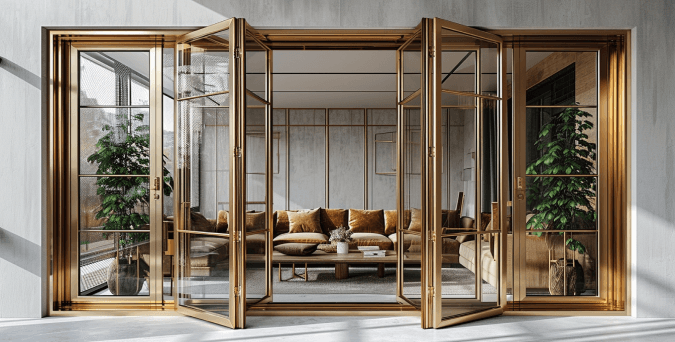
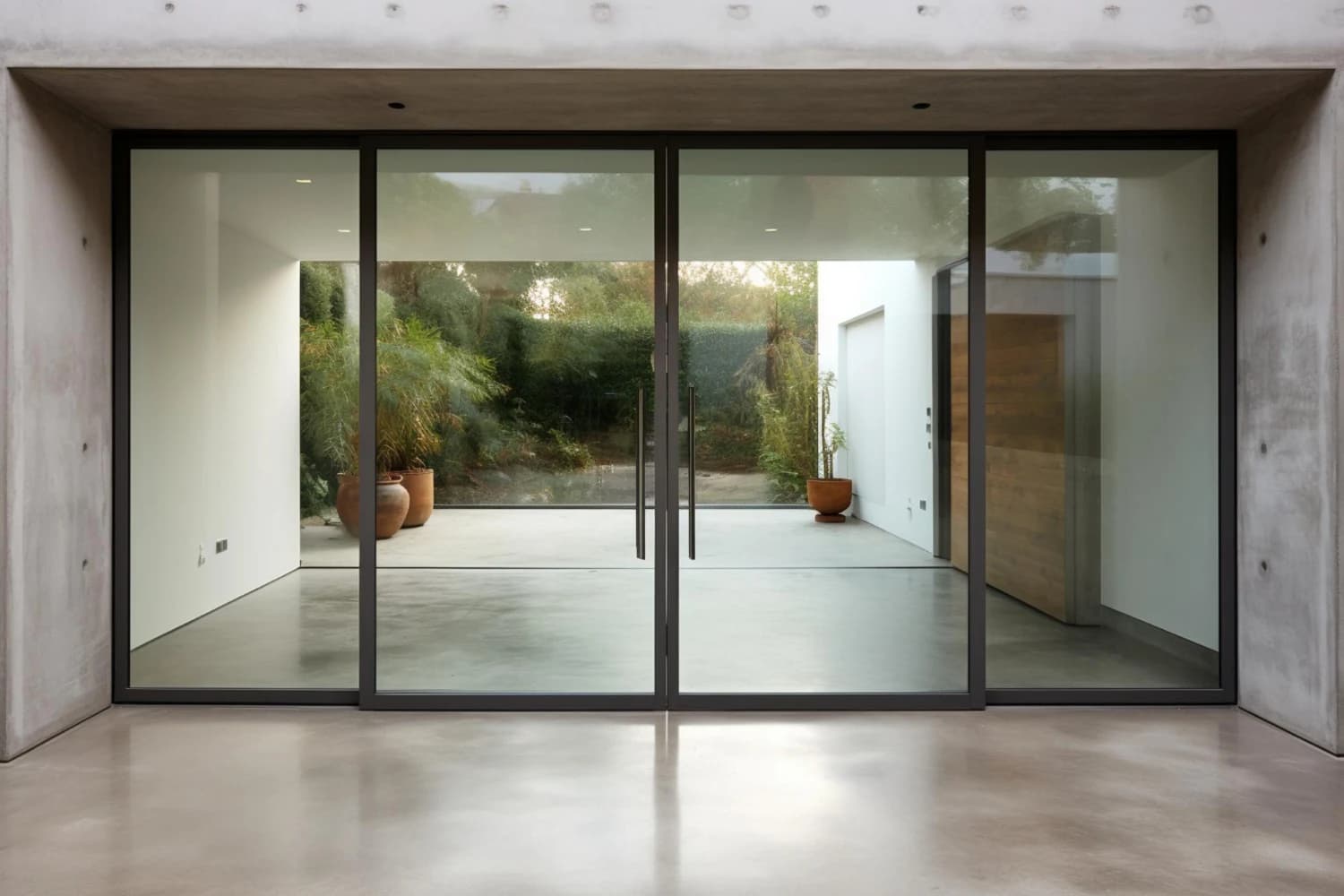
System aluminium windows are often preferred for their sleek, modern look and the ability to accommodate large spans of glass.
Also red: Best Slim Aluminum Door & Window Designs for Maximizing Natural Light
Why Kerala Homes Specifically Need System Aluminium
Kerala’s climate is continuously changing, and this places increasing stress on windows over time. The monsoon brings sustained heavy rainfall that can last for weeks or even months. Coastal areas are exposed to salty air, which causes corrosion. In addition, humidity levels in the air remain consistently high. These conditions expose window problems quickly, especially if the window is poorly built.
The three things that fail first in normal aluminium under Kerala conditions are the sealing, the drainage, and the surface coating. An inadequate seal allows water to enter the wall cavity. A poorly designed drainage path allows water to pool inside the frame. A thin or uneven coating begins to pit and flake when exposed to salt air and humidity over time.
System aluminium addresses all three issues directly. Sealing is part of the engineering, not an afterthought. Drainage channels are built into the profile design. And the powder coating is applied under controlled factory conditions to ensure a consistent and tested thickness.
If you are building or renovating a home anywhere in Kerala, these factors are important. They determine whether your windows last for two decades or start causing problems within two years.
Common Problems with Normal Aluminium Windows
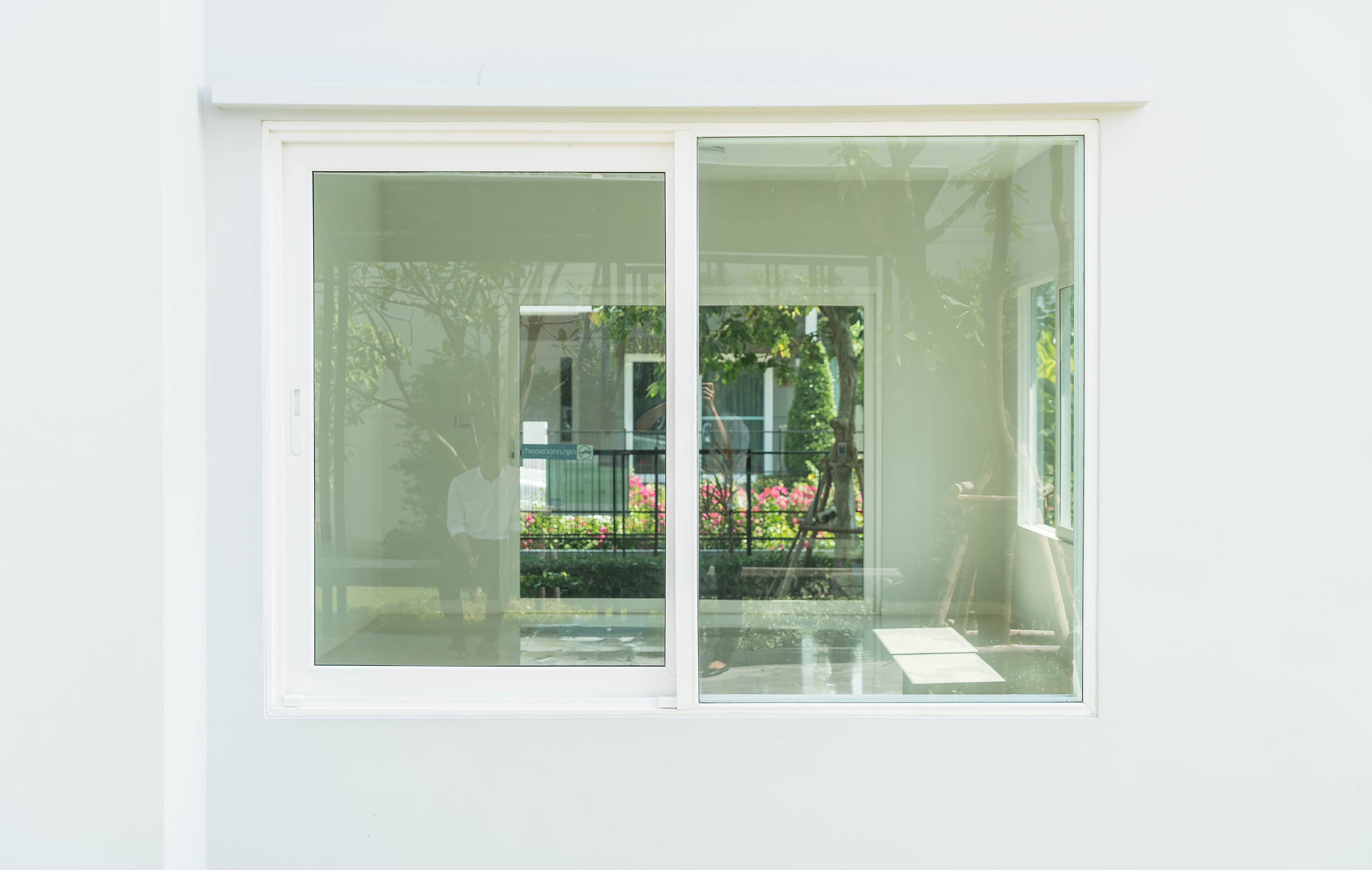
Sliding not smooth
Dirt, dust, and debris accumulate in the tracks over time, causing the panel to jam, stick, or require force to open and close. Worn or damaged rollers make this worse. Without regular cleaning and lubrication, the sliding action worsens year by year.
Water leakage
Aged or missing rubber gaskets around the frame allow rainwater to seep in, especially during heavy monsoons. Poor installation gaps and blocked weep holes (drainage slots in the sill) make the problem worse. Water pools on the sill and eventually damages walls, paint, and flooring.
Misalignment
Over the years, thermal expansion and contraction have caused the frame to shift slightly. The sash no longer sits flush in the frame, leaving visible gaps. Windows become hard to close fully, reducing security and letting in insects, dust, and drafts.
Hardware failure
Handles, hinges, locks, and friction stays wear out with daily use. In humid climates like Kerala, internal screws and metal components corrode even when the frame looks fine on the outside. A broken lock is a security risk; a seized hinge means the window can't open or close properly.
When Normal Aluminium Still Makes Sense
It would not be fair to avoid normal fabricated aluminium entirely. There are some situations where it remains a reasonable choice.
If you are working with a tight construction budget and need windows for a smaller interior space, normal aluminium can work well there. The same applies to temporary structures or small openings where performance demands are low and exposure to weather is limited.
The key is making the choice consciously, not by default. If you go with normal aluminium, do it knowing its limitations and placing it where those limitations will not cause serious problems.
The Cost Difference: System Aluminium vs Normal Aluminium
As we all know, system aluminium costs more upfront. The price gap varies depending on the brand and specification, but you will generally pay a little more for a system window compared to a locally fabricated one.
But the real difference can be seen when we calculate the total cost over time. When you consider maintenance, hardware replacements, sealing repairs, and the possibility of water damage to walls and structures, system aluminium becomes a more economical choice over a ten- or fifteen-year period.
A fabricated window may cost less today, but its maintenance costs can be higher over time. So, system aluminium is not a luxury purchase. It is a value decision made with a longer view in mind.
How to Identify a True System Aluminium Window
Use this checklist before buying any aluminium window installation:
1. Ask for the system brand: Ask for the system brand name and look it up independently. A genuine system product will have proper documentation, test certificates, and a known manufacturer behind it. Also, system aluminium (typically used for architectural extrusions such as window frames, and doors) commonly contains 6063 aluminium alloy.
2. Check hardware quality: System windows use hardware that is designed specifically for that profile. Check that the hardware, such as handles, locks, and rollers, belongs to the same system family rather than being generic fittings sourced separately.
3. Look for a proper sealing system: A true system window has multiple layers of sealing. Check the sealing profile. EPDM gaskets should be visible and should run continuously along the frame without gaps or interruptions.
4. Ask about glass options: A genuine system aluminium window should accommodate both single and double glazing. Also, ask how drainage is handled. The installer or supplier should be able to clearly explain how water is channelled out of the frame.
Why the Profile Engineering Matters
Choosing an aluminium profile is not just about picking a colour or a style. Even within system aluminium, not all products are equal. The quality of the profile design determines how the window handles structural loads, seals against weather, and holds up over years of use. We can do the finishing techniques like powder coating and anodising in system windows. A well-engineered profile ensures that your windows remain strong and reliable for many years.
If you're planning to upgrade, working with an experienced system aluminium windows and doors manufacturer helps ensure long-term reliability and performance. At Bebeto, our system aluminium solutions are built around engineered profiles, integrated hardware, and installation practices suited to Kerala's conditions. They are designed to withstand monsoon rainfall, coastal humidity, and scorching heat. When performance matters, the system behind the window matters just as much as the material itself.
System aluminium windows are a long-term investment in durability, comfort, and peace of mind. A fabricated window might save money today, but it may require your time and effort for maintenance for years to come. So, choose based on performance, not just price. The choice is yours.