Big Glass Windows: Types, Benefits, Costs and Installation Guide
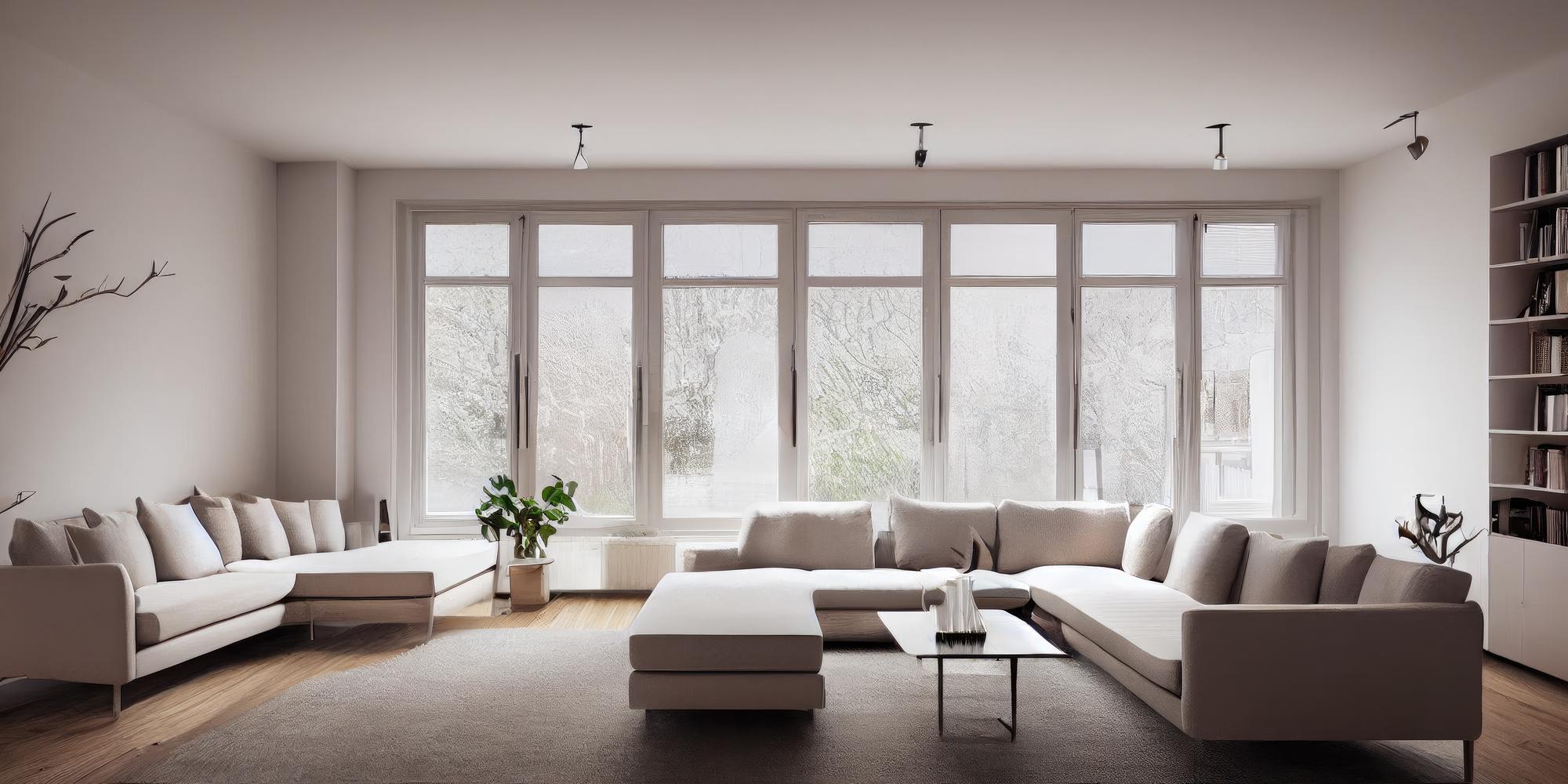
Big Glass Windows for Modern Living Spaces
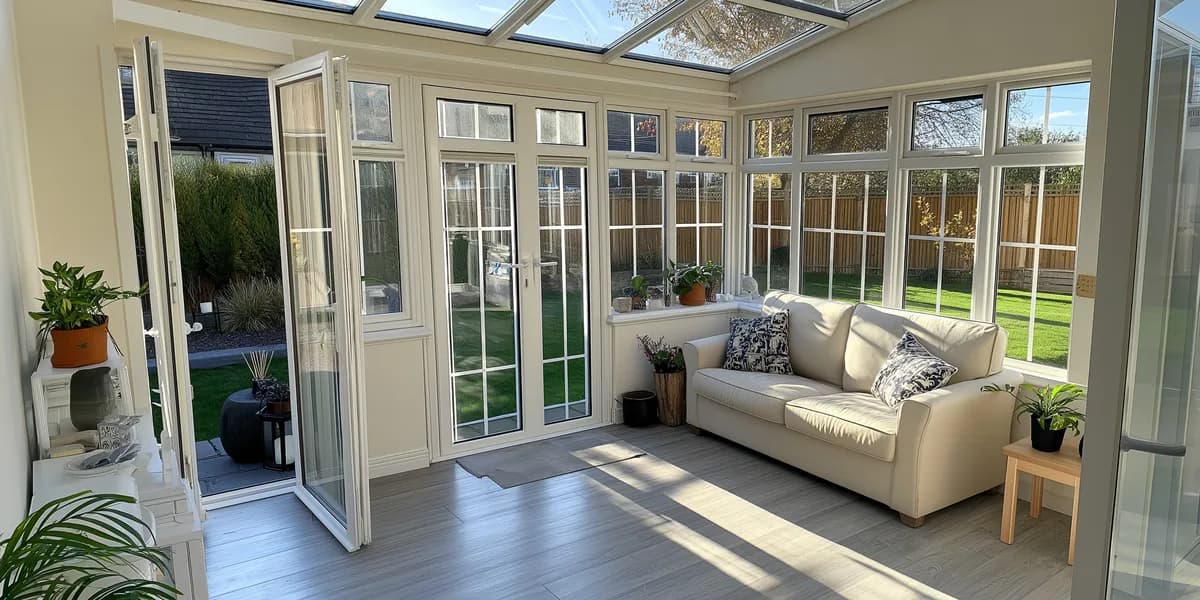
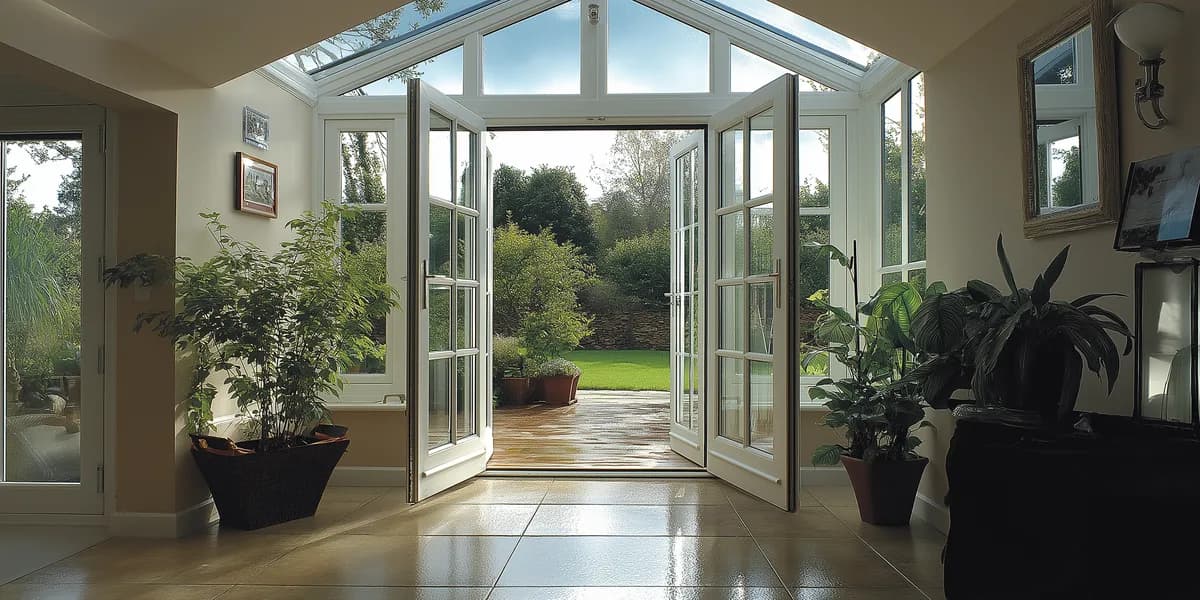
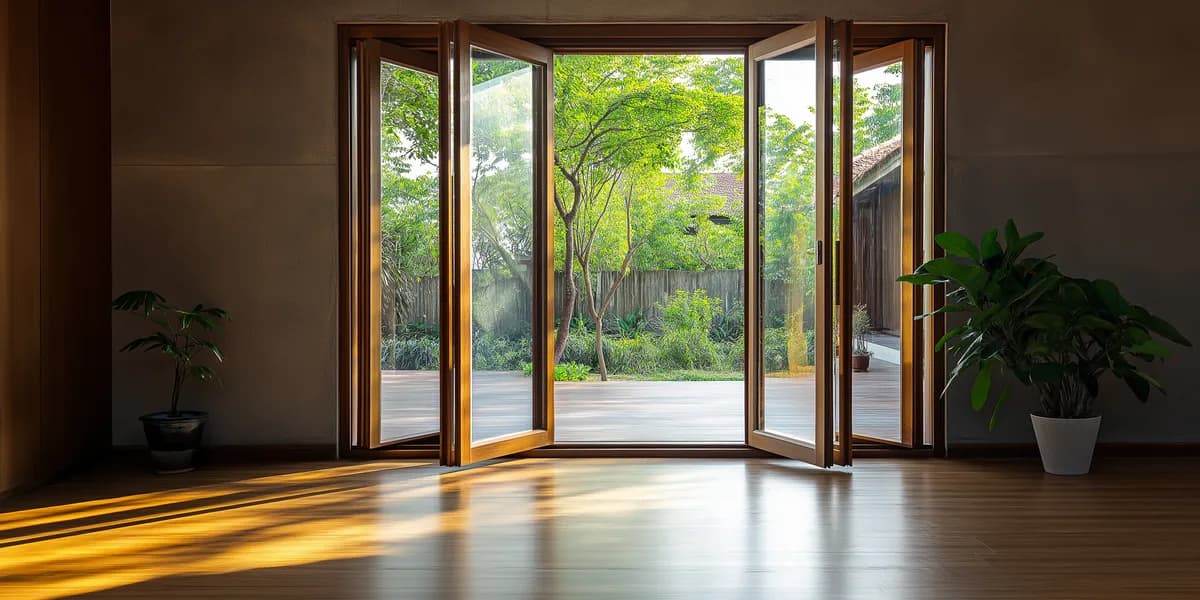
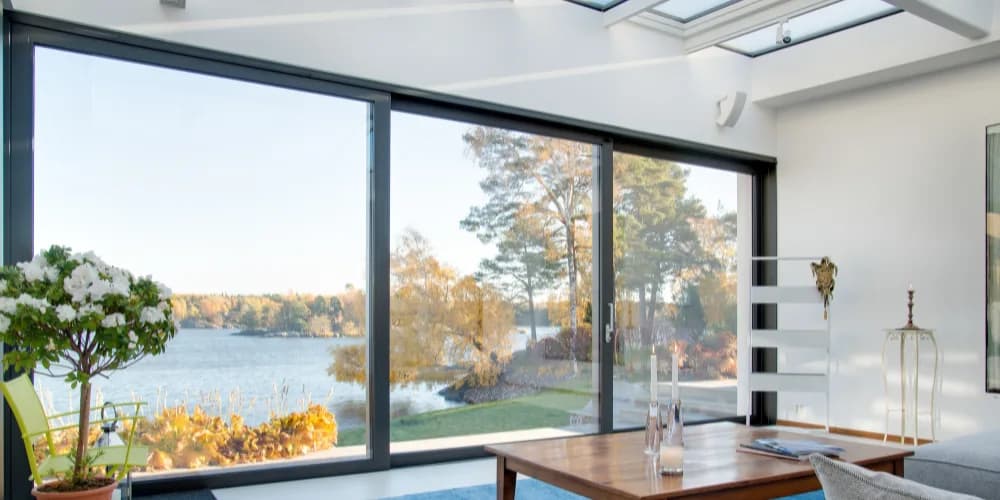
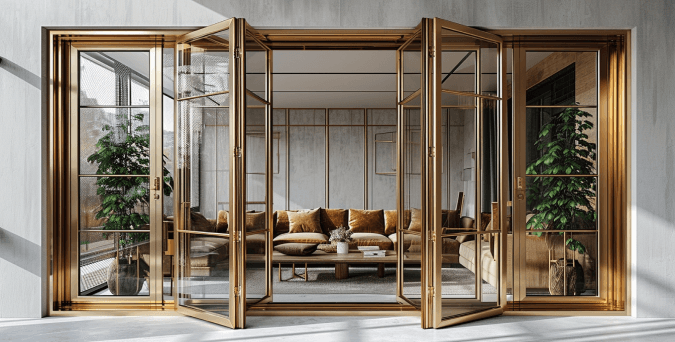
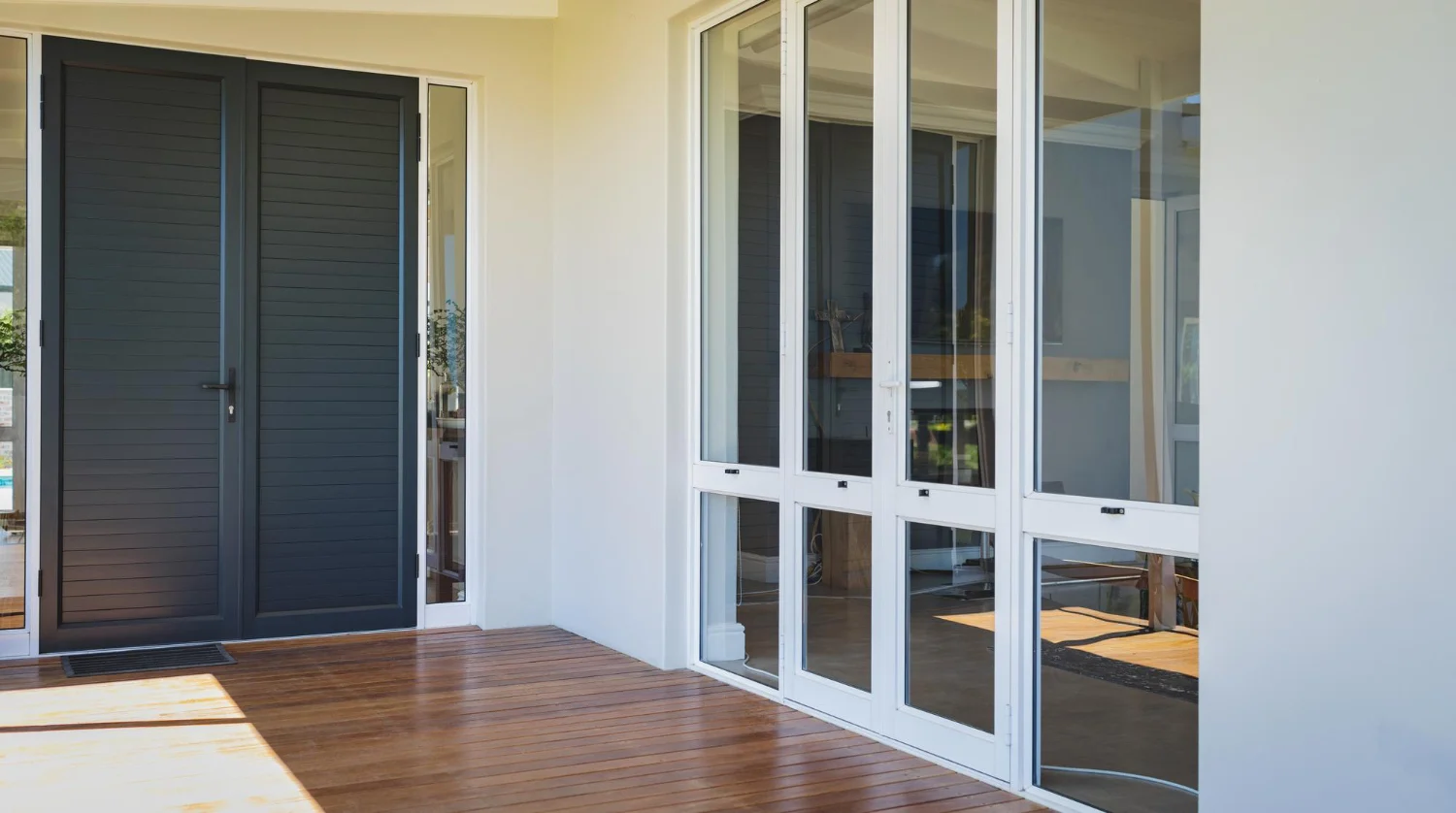
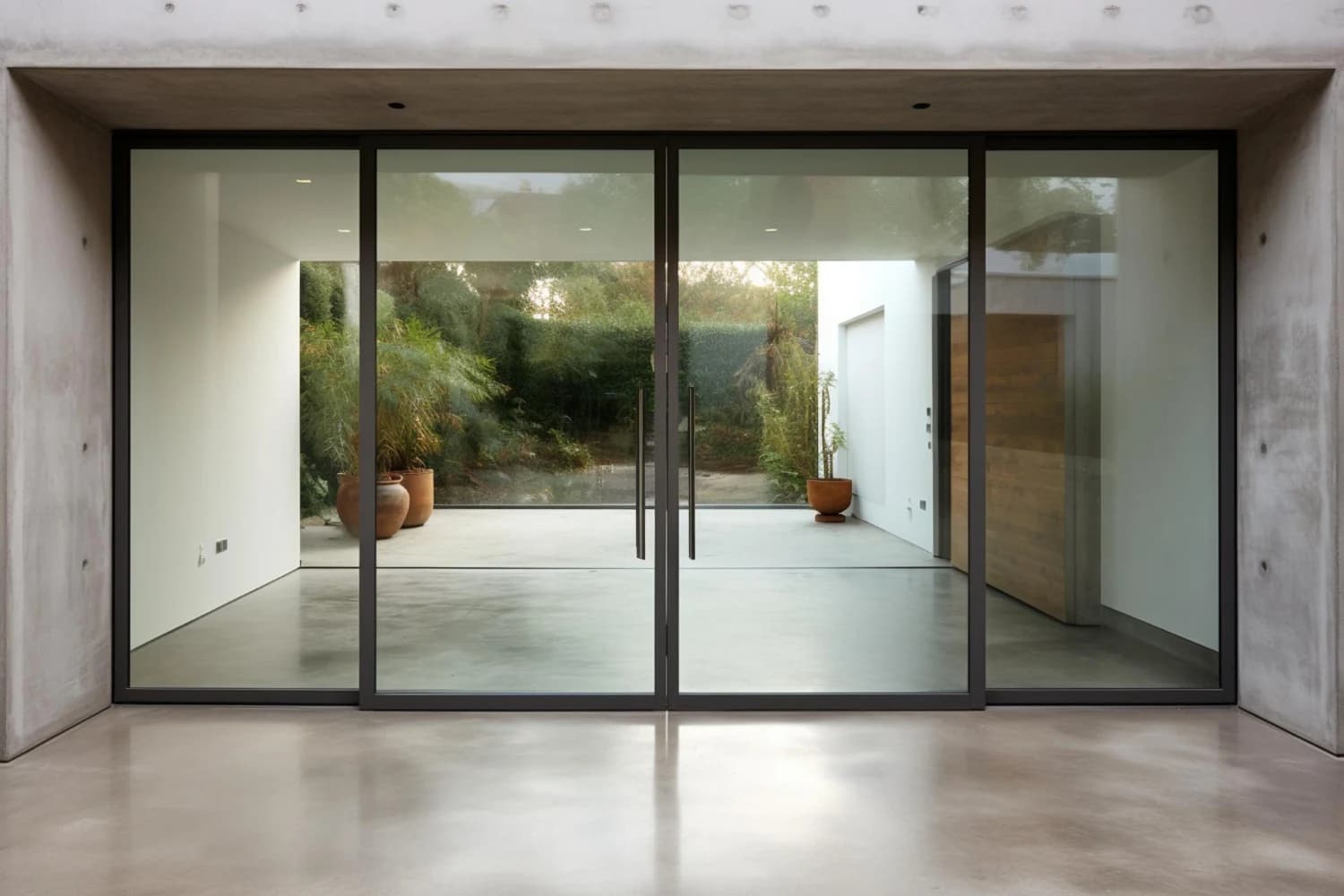
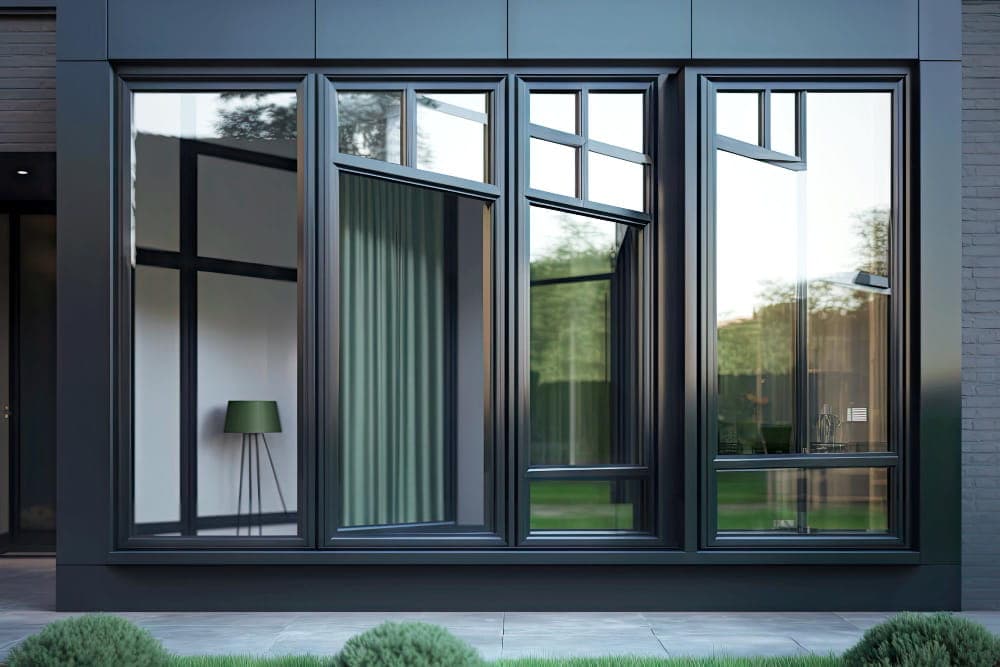
Big glass windows have become a popular feature in modern residential architecture. From floor-to-ceiling glass panels to wide sliding windows overlooking gardens and balconies, they bring natural light indoors and create a stronger visual connection with the outdoors.
Whether you are designing a new home or renovating an existing property, installing large glass windows can transform the appearance and functionality of your living space. However, choosing the right design involves more than selecting an attractive glass panel. Glass type, frame strength, safety, thermal performance, weather resistance, installation quality and overall cost all require careful consideration.
For homeowners in Kerala, these factors are particularly important. Heavy monsoon rainfall, high humidity, strong winds and direct sunlight can influence how large glass windows perform over time.
This guide explores the different types of big glass windows, their benefits, suitable glass and frame options, important installation considerations and the costs involved.
What Are Big Glass Windows?
Big glass windows are window installations that use wider or taller glass panels than conventional residential windows. They may extend from floor to ceiling, cover a significant portion of a wall or span a wide opening overlooking a balcony, garden or outdoor space.
Some designs use a long glass window to create a vertical architectural feature, while others use wide horizontal panels to maximise outdoor views.
Common types include:
1. Floor-to-ceiling glass windows
2. Large fixed glass panels
3. Wide sliding glass windows
4. Panoramic windows
5. Corner glass windows
6. Full-height windows with aluminium frames
The right configuration depends on the building layout, available wall space, structural requirements, ventilation needs and how the room will be used.
Types of Big Glass Windows for Homes
Large glass windows come in different configurations to suit various architectural styles and functional needs. Understanding these designs can help you choose the right option for your home.
1. Floor-to-Ceiling Glass Windows
Floor-to-ceiling windows extend from near the floor level to the ceiling, creating a large, uninterrupted glass surface. They are commonly used in modern villas, living rooms, bedrooms and properties with scenic outdoor views.
Key benefits:
i) Maximises natural light: Large glass windows allow more natural light to enter indoor spaces, making rooms feel brighter and more inviting. Slim aluminium profiles can further enhance this effect by reducing the visible frame area and allowing larger glass surfaces to become a prominent feature. This creates a cleaner appearance while maximising the glazed area within the window opening. Explore our guide to slim aluminium window designs that maximise natural light for more design ideas.
ii) Creates an open and spacious appearance: Floor-to-ceiling glass windows reduce the visual separation between indoor and outdoor spaces. Their expansive glass surfaces make rooms appear more open and less enclosed, particularly in living rooms and areas with limited wall space. When paired with minimal aluminium frames, they create a clean, contemporary appearance that complements modern residential interiors.
iii) Provides wider outdoor views: Large glass panels provide broader views of gardens, balconies, landscaped areas and surrounding scenery. Unlike conventional windows with smaller openings, these designs allow homeowners to enjoy more of the outdoor environment from inside their homes.
iv) Complements contemporary architecture: The combination of expansive glass surfaces and sleek aluminium frames works well with contemporary architectural styles. Floor-to-ceiling windows can become a prominent design feature in modern villas, open-plan living spaces and double-height interiors. Different configurations, including fixed panels and sliding windows, also allow homeowners to balance appearance, ventilation and accessibility.
These installations require careful planning of glass safety, structural support, privacy, solar heat gain and cleaning access.
2. Long Glass Windows
A long glass window is generally designed with an elongated shape, either vertically or horizontally, depending on the architectural requirement.
Vertical designs can create an attractive feature in staircases, bedrooms and narrow wall sections. Horizontal long windows are often used in living rooms, kitchens and areas where homeowners want wider outdoor views without installing a full-height window.
Common applications include:
1. Staircase windows
2. Long bedroom windows
3. Kitchen windows
4. Living room feature windows
5. Garden-facing openings
The glass dimensions, frame configuration and support requirements should be selected according to the intended installation.
3. Large Fixed Glass Windows
Fixed glass windows consist of stationary panels that cannot be opened. They are suitable for areas where natural lighting and outdoor visibility are more important than ventilation.
Common applications include staircases, double-height spaces, living rooms and garden-facing walls.
Key benefits:
1. Provide uninterrupted outdoor views.
2. Have fewer moving components.
3. Work well alongside opening windows in larger installations.
4. Can accommodate large glass panels, depending on the structure and selected window system.
Fixed glass panels can also be combined with sliding or other opening windows to provide both visibility and ventilation.
4. Large Sliding Glass Windows
Large sliding glass windows use panels that move horizontally along tracks. They are a popular choice for connecting indoor living spaces with balconies, patios and outdoor areas.
Key benefits:
1. Do not require additional swing space.
2. Provide convenient access to outdoor areas.
3. Suit wide window openings.
4. Allow combinations of fixed and sliding panels.
The sliding mechanism is particularly important. Tracks, rollers, locking systems and frame alignment must be suitable for the dimensions and weight of the glass panels.
Explore Bebeto's system aluminium window solutions to understand the available configurations.
5. Panoramic Glass Windows
Panoramic windows are designed to maximise outdoor visibility through wide glass openings. They are particularly suitable for homes overlooking gardens, hills, landscaped areas or scenic surroundings.
They can be designed using fixed glass panels or combined with sliding and other opening configurations.
Before installation, the glass dimensions, support system, wind exposure and structural requirements should be evaluated.
6. Corner Glass Windows
Corner glass windows extend across two adjoining walls, creating a more open architectural appearance and providing views from different directions.
They are commonly used in contemporary villas and modern residential designs.
Corner installations require particular attention to structural support and the connection between adjoining glass panels. A frameless appearance does not mean the glass can independently support the building structure.
Benefits of Installing Big Glass Windows
When properly designed and installed, big glass windows can improve both the appearance and functionality of a home.
1. Increased Natural Light
One of the biggest advantages of large glass windows is their ability to bring more daylight into indoor spaces. Wider glass areas allow natural light to reach deeper into a room, potentially reducing the need for artificial lighting during the day.
The actual benefit depends on window orientation, surrounding buildings, shading and glass selection.
2. Open and Spacious Interiors
Large glass panels create a visual connection between indoor and outdoor spaces. They can make living rooms and other areas feel more open, particularly when the windows overlook gardens, balconies or landscaped surroundings.
3. Better Outdoor Views
Large glass windows make the surrounding environment part of the interior design. Whether overlooking a garden, landscape or outdoor seating area, they provide a wider view than many conventional window designs.
4. Improved Indoor-Outdoor Living
When installed near balconies, patios and gardens, large sliding glass windows create a convenient connection between indoor and outdoor living areas. This is particularly useful for homes where outdoor spaces are an important part of everyday living.
5. Modern Architectural Appeal
Big glass windows complement contemporary architectural styles. Their clean appearance, wide openings and slim-profile possibilities make them suitable for modern villas, apartments and renovated homes.
6. Potential Energy Benefits
Large glass windows can reduce the need for artificial lighting by allowing more daylight inside. However, larger glass areas can also increase solar heat gain if the glazing and shading are not selected appropriately.
The right combination of glass, orientation, external shading and frame design is important for maintaining indoor comfort.
Choosing the Right Glass for Big Glass Windows
Glass selection is one of the most important decisions when installing a large glass window. The glass must be suitable for the panel dimensions, installation location, safety requirements and expected environmental conditions.
Here are some commonly used options.
1. Toughened Glass
Toughened glass, also known as tempered glass, is manufactured through a controlled heating and cooling process that increases its strength compared with ordinary annealed glass.
When it breaks, it generally fractures into smaller pieces rather than large sharp shards.
Key considerations:
1. Suitable for many large residential window applications.
2. Commonly used in sliding glass windows and balcony-facing installations.
3. Its thickness and dimensions must be selected according to the installation conditions and applicable safety requirements.
2. Laminated Glass
Laminated glass consists of two or more glass layers bonded together using an interlayer.
If the glass breaks, the interlayer helps hold the fragments together, reducing the risk of broken pieces falling away.
Key benefits:
1. Helps improve occupant safety.
2. Retains broken glass fragments within the interlayer.
3. Can provide useful sound-insulation benefits depending on its composition.
4. Can be considered for suitable security and overhead glazing applications.
Laminated glass is worth considering wherever retaining broken fragments is an important safety requirement.
3. Double-Glazed Glass (DGU)
Double-glazed units consist of two glass panes separated by a sealed cavity, which may contain air or an insulating gas.
This construction helps reduce heat transfer compared with many single-glazed configurations. It can also improve acoustic performance when properly specified.
Key benefits:
1. Improved thermal insulation.
2. Potential reduction in external noise.
3. Better indoor temperature control.
Reduced condensation on the internal glass surface under suitable conditions.
For homes with air-conditioned interiors or significant outdoor noise, double glazing may be worth considering.
Read more about what DGU glass is and why it matters in aluminium windows.
4. Low-E Glass
Low-emissivity glass has a special coating designed to control the transfer of radiant heat.
Depending on the coating type and glass configuration, it can help reduce unwanted solar heat gain while maintaining useful daylight. It may be particularly useful for windows exposed to strong sunlight.
5. Tinted and Reflective Glass
Tinted glass uses colour within the glass to reduce the amount of visible light and solar energy passing through it.
Reflective glass has a coating that reflects a portion of incoming sunlight.
Both options can help manage glare and daytime privacy. However, their performance depends on the specific product. Reflective glass does not guarantee privacy at night when interior lighting is switched on.
Which Glass Should You Choose?
There is no single glass type that is best for every large glass window installation. The right choice depends on the purpose and location of the window.
For installations where strength and breakage behaviour are important, consider appropriately specified toughened glass. Where retaining broken fragments is a priority, laminated glass may be more suitable.
For homes requiring improved thermal or acoustic insulation, double-glazed units are worth considering. Low-E glass may help manage unwanted solar heat gain, while tinted and reflective glass can help control glare and daylight.
The final glass specification should not be selected based on appearance alone. Glass thickness, composition and type must be determined according to panel dimensions, wind pressure, support conditions, safety requirements and the intended performance of the window.
Choosing the Right Frame for Big Glass Windows
The frame supports the glass and contributes to the overall strength, stability, operation and weather resistance of the window. For large glass installations, selecting a suitable frame system is just as important as selecting the glass.
When selecting aluminium frames for large glass windows, consider more than their appearance. Profile dimensions, glazing compatibility, hardware quality, finish and the intended window configuration all influence the final performance.
For additional guidance, read our practical tips for choosing the right aluminium windows for your home.
1. Aluminium Window Frames
Aluminium is widely used in modern window systems because it offers a useful combination of strength, relatively low frame weight and design flexibility.
Advantages include:
1. Suitable for a range of large window configurations.
2. Supports contemporary designs with slim-profile possibilities.
3. Available in different finishes.
4. Compatible with different glazing and hardware configurations.
4. Resistant to many common forms of environmental exposure when appropriately finished and maintained.
The suitability of an aluminium frame depends on the specific profile series, dimensions, reinforcement, hardware and tested system specifications.
2. uPVC Window Frames
uPVC is another commonly used option in residential window installations.
It offers good thermal insulation characteristics and generally requires relatively little maintenance. However, large openings and heavier glazing require careful consideration of the specific frame design, reinforcement and hardware capacity.
3. System Aluminium Windows
System aluminium windows are designed as coordinated assemblies in which profiles, glazing, hardware, gaskets and other components are selected to work together.
Rather than treating each component as a separate element, a system-based approach considers how the complete window performs.
For large glass installations, this is particularly important because the frame must support the selected glass configuration while maintaining suitable operation, sealing and stability.
Hardware selection also matters. Rollers, hinges, handles and locking mechanisms must be suitable for the dimensions and weight of the panels. Learn more about the importance of SS304 hardware in aluminium windows and doors.
Aluminium vs uPVC: Which Is Better for Big Glass Windows?
Aluminium and uPVC are two commonly used materials for residential window frames. Both offer different advantages, and the right choice depends on the window size, design requirements, glazing specifications and budget.
1. Structural Strength and Large Glass Applications
Aluminium frames can accommodate a wide range of large glass window configurations, provided the selected profile system, dimensions, reinforcement and structural specifications are appropriate for the installation.
uPVC frames can also support different glazing configurations, but larger openings and heavier glass panels require careful consideration of frame reinforcement and hardware capacity.
2. Frame Appearance and Design Flexibility
Aluminium frames offer slim-profile design options, making them suitable for contemporary homes that feature expansive glass panels and minimal frame visibility. They are also available in different configurations and finishes.
uPVC frames generally have a wider appearance, although they are available in various residential designs and styles.
3. Thermal Insulation
uPVC generally offers good thermal insulation through its frame material. Aluminium's thermal performance depends on the profile construction and whether the system incorporates thermal breaks.
The type of glazing selected, including double-glazed and Low-E glass, also influences the overall thermal performance of the window.
4. Maintenance and Durability
Both aluminium and uPVC windows generally require relatively little maintenance. Aluminium frames need an appropriate surface finish and periodic care, while uPVC frames can usually be maintained through routine cleaning.
Their long-term performance also depends on product quality, installation and environmental exposure.
Which One Should You Choose?
There is no universal winner between aluminium and uPVC. Aluminium can be a suitable choice for large glass windows when the selected system is properly engineered for the required dimensions and loads. uPVC is also worth considering for residential applications where thermal insulation and maintenance are important priorities.
If you are comparing both materials for your home, explore our detailed guide on aluminium vs uPVC doors for homes in Kerala to understand their differences and key selection factors.
Important Factors to Consider Before Installing Big Glass Windows
Before choosing a huge glass window for your home, consider the following technical and practical requirements.
1. Structural Strength and Glass Panel Dimensions
Large glass panels can be significantly heavier than standard window glass. The glass, frame, supporting structure and fixing arrangements must be designed for the intended dimensions and loads.
Before installation, consider:
1. Overall panel width and height.
2. Glass thickness and composition.
3. Frame profile and support arrangement.
4. Dead load from the glass.
5. Wind pressure on the installation.
6. Building structure and fixing conditions.
Large glass panels should be specified by professionals who can assess the actual installation requirements.
2. Wind Load Resistance
Large glass windows have a greater exposed surface area, making wind pressure an important consideration.
This is particularly relevant for high-rise apartments, coastal properties, exposed locations, upper-floor installations and homes with wide, uninterrupted glass panels.
The glass and window system must be selected to withstand the wind loads applicable to the building's location and height.
Do not rely on appearance or profile size alone. Ask for relevant system specifications and test documentation where performance ratings are required.
3. Heat Gain and Indoor Comfort
Large glass areas can allow significant solar energy into a room, especially when they face the direction of strong sunlight. This may increase indoor temperatures and the workload of air-conditioning systems.
To manage heat gain, consider:
1. Low-E glass.
2. Suitable double-glazed units.
3. Solar-control glazing.
4. External shading devices.
5. Window orientation.
6. Curtains or blinds.
The best combination depends on the building's orientation, local climate and how the room will be used.
4. Water Tightness and Air Leakage
In regions with heavy rainfall, proper sealing and drainage are essential.
Water can enter through poorly designed joints, unsuitable gaskets, incorrect installation or inadequate drainage arrangements.
Before installation, check:
The quality and positioning of gaskets.
Frame drainage channels and weep holes.
Perimeter sealing between the frame and wall.
Proper alignment of window panels.
Installation quality and fixing details.
For more information, read our guide to system aluminium windows for wind-load resistance, water tightness and air leakage.
5. Privacy and Glare Control
Large glass windows provide excellent visibility, but they may also reduce privacy depending on the property's location and surrounding buildings.
Possible solutions include:
1. Curtains and blinds.
2. Tinted glass.
3. Frosted glass in selected areas.
4. External shading.
5. Suitable landscaping.
Consider privacy requirements before finalising the window layout.
6. Safety and Security
Large glass panels should be selected with safety in mind, especially near floor level, doors, balconies and other locations where accidental impact is possible.
Consider:
1. Appropriate safety glazing.
2. Laminated glass where fragment retention is required.
3. Suitable locking mechanisms.
4. Secure frame fixing.
5. Hardware designed for the panel weight and opening configuration.
For sliding windows, the rollers, tracks, locks and frame alignment also contribute to safe and reliable operation.
7. Noise Insulation
If your home is located near a busy road, commercial area or other noisy environment, acoustic performance may be an important consideration.
The glass composition, cavity width in double-glazed units, glass thickness and perimeter sealing can all influence sound insulation.
Laminated and appropriately specified double-glazed units may help reduce noise transmission.
8. Cleaning and Maintenance Access
Large glass windows can be difficult to clean, particularly when installed on upper floors or in double-height spaces.
Before selecting the design, consider:
1. Whether the exterior glass can be safely accessed.
2. How sliding tracks and drainage openings will be maintained.
3. Whether suitable cleaning access is available.
4. How often seals and hardware should be inspected.
A visually attractive window should also be practical to maintain.
How Much Do Big Glass Windows Cost in India?
The cost of big glass windows depends on the complete window specification. The price of the glass alone does not represent the total installation cost.
For homeowners comparing quotations, it is important to understand what is included in the quoted rate.
1. What Is the Average Cost of Big Glass Windows?
There is no single standard price for large glass windows because different configurations require different materials and installation methods.
For example:
1. Fixed glass windows: Usually have fewer moving components and may have simpler hardware requirements.
2. Sliding glass windows: Include tracks, rollers, locking mechanisms and additional operating components.
3. Floor-to-ceiling windows: May require larger glass panels, more substantial support arrangements and additional installation planning.
4. Double-glazed windows: Use insulated glass units and compatible frame systems, which can increase the overall material cost.
5. Premium system aluminium windows: Pricing depends on the profile series, glazing compatibility, finish, hardware and system specifications.
For an accurate estimate, request a quotation based on the actual window dimensions and selected specifications rather than relying on a generic online price.
2. Factors That Affect Big Glass Window Prices
Several factors influence the final cost.
1. Glass type and specification: Toughened, laminated, double-glazed, Low-E, tinted and other specialised glass options have different material costs.
2. Glass panel dimensions: Larger panels require appropriate glass specifications, handling arrangements and supporting frames. Their weight and dimensions can also affect transportation and installation costs.
3. Aluminium profile system: The profile series, section dimensions, design and glazing compatibility influence the price of the frame.
4. Window configuration: Fixed, sliding, casement and other opening configurations have different hardware and fabrication requirements.
5. Hardware and accessories: Rollers, hinges, locking mechanisms, handles, gaskets and other components contribute to the total cost.
6. Frame finish: Powder coating, anodising, PVDF and wood-effect finishes may have different costs depending on the selected specification.
7. Installation complexity: Upper-floor installations, difficult access, large glass handling and specialised fixing arrangements can increase labour and installation costs.
8. Transportation and site conditions: The distance between the supplier and project site, access to the building and equipment required for handling large panels can also affect the final quotation.
3. What Does a Large Glass Window Quotation Include?
When comparing quotations from different suppliers, it is important to understand what the quoted price actually covers. The total cost of a large glass window installation involves several components, from the glass and aluminium profiles to hardware, fabrication and installation.
1. Glass: The glass is one of the main cost components. Its price depends on the selected type, thickness, composition and dimensions. Toughened, laminated, double-glazed and Low-E glass options may have different pricing based on their specifications.
2. Aluminium Profiles: Aluminium profiles form the window frame and sash structure. The cost depends on the selected profile series, section dimensions, design, finish and compatibility with the chosen glass configuration.
3. Hardware and Accessories: Window hardware includes rollers, hinges, handles, locking mechanisms, gaskets and other accessories. For large sliding glass windows, the rollers and tracks must be suitable for the dimensions and weight of the moving panels.
4. Fabrication: Fabrication covers the processes involved in preparing the window components, including glass processing where applicable, profile cutting, frame assembly and finishing. The complexity of the window design and configuration can influence fabrication costs.
5. Installation: Installation charges generally cover labour, frame fixing, panel alignment, sealing and final adjustments. Depending on the project, additional charges may apply for specialised equipment, lifting arrangements and on-site handling of large glass panels.
6. Transportation and Special Handling: The cost of transporting large glass panels and aluminium frames can vary depending on the project location, delivery distance, accessibility and handling requirements. Upper-floor installations or projects involving particularly large panels may require additional equipment.
Compare Quotations Carefully
A lower quotation does not necessarily mean better value. One supplier may include glass, hardware, fabrication and installation in the quoted price, while another may exclude certain components or use different material specifications.
Always request an itemised quotation covering the glass, aluminium profiles, hardware, fabrication, installation and transportation. This makes it easier to compare suppliers based on the same specifications and understand the actual cost of the complete window installation.
4. Fixed Glass vs Sliding Glass: Which Is More Cost-Effective?
Fixed glass windows generally have fewer moving components, which can make their construction simpler.
Sliding windows require additional hardware such as rollers, tracks and locking mechanisms. Their cost also depends on the selected sliding system and the number and size of moving panels.
However, a large fixed glass installation is not automatically cheaper. Glass size, thickness, frame requirements and installation complexity can significantly change the final price.
5. How to Calculate the Approximate Cost of Big Glass Windows
A basic way to estimate the window area is:
Window area = Width × Height
For example, consider a window measuring 2 metres wide and 2 metres high.
Window area = 2 × 2 = 4 square metres.
If a supplier provides a quotation per square metre, you can use the measured area to calculate a preliminary estimate.
Estimated cost = Window area × Quoted rate per square metre
However, this calculation is only a starting point. The final quotation may include separate charges for glass, aluminium profiles, hardware, fabrication, installation, transportation and accessories.
Always confirm whether the quoted rate covers the complete window system or only selected components. Some suppliers may also quote using square feet rather than square metres.
6. Are Big Glass Windows Worth the Investment?
Big glass windows can be a worthwhile investment when they suit the building design and are specified correctly.
They can improve daylight, outdoor visibility and architectural appeal. However, the long-term value depends on glass quality, frame selection, installation, maintenance and solar-control requirements.
Choosing the cheapest available option without considering these factors may lead to problems with operation, sealing, comfort or maintenance.
The objective should be to select a window system that meets the project's requirements rather than simply choosing the largest or most expensive glass panel.
Common Mistakes to Avoid When Installing Big Glass Windows
Even a well-designed large glass window can create problems if important installation requirements are overlooked.
Here are some common mistakes to avoid:
1. Choosing glass based only on price: The cheapest option may not meet the project's safety or performance requirements.
2. Ignoring structural requirements: Large panels need suitable support and fixing arrangements.
3. Overlooking wind pressure: This is particularly important for high-rise and coastal properties.
4. Selecting unsuitable glazing: Glass should be chosen according to safety, heat-control and acoustic requirements.
5. Ignoring drainage and sealing: Poor water management can result in leakage during heavy rainfall.
6. Choosing unsuitable hardware: Rollers, hinges and locks must be compatible with the panel size and weight.
7. Forgetting maintenance access: Large exterior glass panels can be difficult and expensive to clean.
8. Hiring inexperienced installers: Incorrect measurements, handling, alignment and fixing can affect the finished installation.
9. Not checking the warranty: Confirm what is covered, including profiles, glass, hardware, finishes and installation.
For additional guidance, read our 5 practical tips for choosing the right aluminium windows for your home.
Big Glass Windows for Homes in Kerala: What Should You Consider?
Kerala's climate makes window selection particularly important. Heavy monsoon rainfall, high humidity, coastal exposure and strong sunlight can influence the performance, durability and maintenance requirements of large glass windows.
Monsoon Rainfall and Water Management
Large glass installations must be designed with suitable sealing and drainage arrangements.
Properly positioned gaskets, drainage channels and weep holes help manage rainwater and reduce the risk of water entering the interior.
Coastal Exposure and Corrosion Resistance
Homes located near the coast may experience greater exposure to salt-laden air.
The choice of aluminium finish, hardware material and maintenance practices should reflect the property's exposure conditions.
For more information, explore our guide to powder coating vs PVDF: which aluminium finish is better for Kerala?.
Heat and Humidity
Large glass areas can increase solar heat gain if the glazing is not selected appropriately.
Low-E glass, suitable double-glazed units, external shading and careful window orientation can help improve indoor comfort.
Wind Exposure
Coastal properties and upper-floor installations may experience significant wind pressure.
The glass thickness, panel dimensions, frame system and fixing arrangements should be selected based on the project's actual wind-load requirements.
For a broader understanding of these considerations, read our guide to aluminium windows for homes in Kerala.
Why Choose System Aluminium Windows for Big Glass Installations?
For large glass windows, the frame and glass need to work together as a complete assembly.
System aluminium windows are designed around compatible profiles, glazing options, hardware and sealing components. This coordinated approach helps manufacturers configure window solutions according to different project requirements.
1. Some important considerations include:
2. Aluminium profiles designed for the intended window configuration.
3. Compatibility with the selected glass thickness and glazing type.
4. Hardware suitable for the panel dimensions and weight.
5. Appropriate sealing and drainage arrangements.
6. Finishes selected according to architectural and environmental requirements.
7. Installation based on the system's technical specifications.
Selecting a suitable system is important for achieving the required appearance, operation and performance from a large glass window installation.
Bebeto Alumina: System Aluminium Windows and Doors
As a leading system aluminium windows and doors manufacturer in Kerala, Bebeto Solutions offers a dedicated range of solutions under its Bebeto Alumina brand. Designed for modern residential and architectural applications, the range combines functional performance with contemporary design.
The Bebeto Alumina range features 6063-grade aluminium profiles, SS304 hardware and glazing options that include single, laminated and double-glazed units, depending on the system specifications. Available finishes include powder coating, anodising, PVDF and wood-effect options to complement different architectural styles.
When planning big glass window installations, selecting the right window configuration is essential. Glass dimensions, shutter weight, profile specifications, hardware capacity, opening mechanisms and project exposure must all be considered together.
The most suitable Bebeto Alumina configuration depends on the project's specific requirements and the technical specifications of the selected system.
Conclusion
Big glass windows can transform a home's appearance by bringing in natural light, creating wider outdoor views and complementing modern architectural designs. From a long glass window in a staircase to a huge glass window overlooking a garden, the right design can make a significant difference to the overall living space.
However, their performance depends on much more than the size of the glass panel. Glass selection, frame strength, structural support, wind-load resistance, sealing, drainage, safety and installation quality all play important roles in achieving a reliable result.
For homeowners planning large glass installations, the best approach is to evaluate the complete window system according to the building's design, location and functional requirements.
With the right planning and a suitable system aluminium window solution, large glass windows can become a practical and attractive part of a modern home.
Frequently Asked Questions About Big Glass Windows
1. What are big glass windows called?
Big glass windows may be called picture windows, panoramic windows, floor-to-ceiling windows or full-height windows, depending on their design and configuration.
2. What is a long glass window?
A long glass window is generally a vertically or horizontally elongated window design. It is commonly used in staircases, bedrooms, kitchens and living rooms to introduce natural light while complementing the architectural layout.
3. What is the best glass for a huge glass window?
The best glass depends on the panel dimensions, location, safety requirements and expected performance. Toughened and laminated glass are common safety-glazing options, while double-glazed and Low-E glass can be considered for improved thermal performance.
4. Are big glass windows safe for homes?
Yes, big glass windows can be suitable for residential use when they are designed with appropriate safety glazing, structural support, frame systems and installation methods. The glass specification should match the location and intended application.
5. How much do big glass windows cost in India?
The cost depends on glass type, panel dimensions, frame material, window configuration, hardware, finish and installation requirements. A project-specific quotation is the most reliable way to determine the total cost.
6. What should I consider when choosing a large glass window?
Consider its dimensions, glass composition, frame strength, wind exposure, safety requirements, privacy and installation conditions. The complete window system should be suitable for the intended application.
7. Are floor-to-ceiling windows suitable for Kerala homes?
They can be suitable for Kerala homes when designed for local rainfall, wind exposure, humidity, solar heat gain and privacy requirements. Proper glass selection, frame specifications, drainage and installation are essential.
8. Which is better for large glass windows: aluminium or uPVC?
Both materials have applications in residential windows. Aluminium offers design flexibility and can accommodate many large-format configurations when correctly engineered. uPVC offers good frame insulation characteristics. The best choice depends on the opening dimensions, glass weight and selected system.
9. Do big glass windows make a room hotter?
They can increase indoor heat gain, particularly when exposed to direct sunlight. Suitable glazing, Low-E coatings, external shading and proper window orientation can help manage it.
10. Are double-glazed windows worth the additional cost?
Double glazing can be worthwhile where improved thermal comfort and noise reduction are priorities. Its value depends on the building's climate, orientation, air-conditioning requirements and the quality of the complete window installation.
11. What glass thickness is required for a long glass window?
There is no universal glass thickness for a long glass window. The required thickness and composition depend on panel dimensions, wind pressure, support conditions, glass type and applicable safety requirements. A qualified professional should determine the specification.
12. How should large glass windows be maintained?
Clean the glass using suitable cleaning products and soft materials. Keep sliding tracks free of dirt, check drainage openings and periodically inspect gaskets, hardware and locking mechanisms.
13. Can big glass windows withstand strong winds?
They can be designed for specific wind-load conditions. However, the glass, frame, hardware and fixing arrangements must all be selected according to the building's height, location and exposure. Ask for relevant performance documentation rather than assuming that every large window is wind-resistant.
14. Are large sliding glass windows suitable for balconies?
Yes. Large sliding glass windows are commonly used for balconies because they provide access to outdoor spaces without requiring additional swing space. The selected sliding system must be suitable for the panel size, weight and intended use.